Nobody thinks about backup power until the lights go out. Then it’s the only thing anyone thinks about. Whether it’s a storm knocking out the grid for three days or a utility failure hitting a business mid-operation, the cost of not having power adds up fast. That’s where proper generator installation comes in. Not just owning a generator. Actually having one installed correctly, sized right, and ready to kick on when the grid goes dark.
This post covers the full picture, types of generators, what the installation process actually involves, how to figure out the right size, what it costs, and why cutting corners on setup is a bad idea. Whether it’s a home backup generator or a large-scale commercial generator installation, the fundamentals are the same: get it done right or deal with the consequences later.
Standby vs. Portable: Getting This Wrong Is Expensive
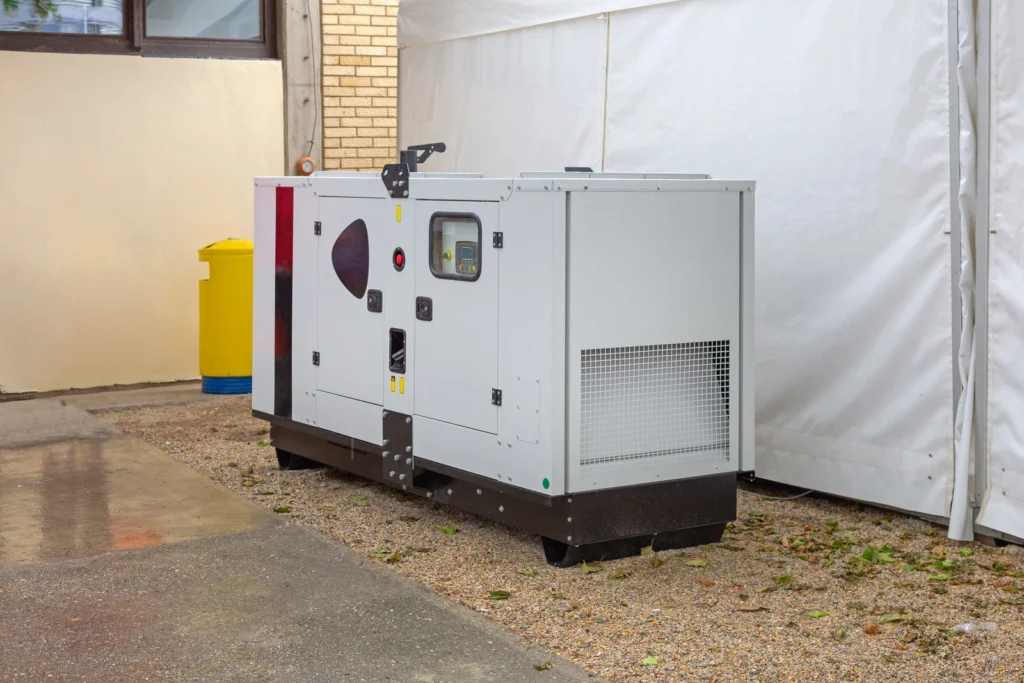
First question anyone should answer before spending a dollar: what kind of generator actually fits the situation? Portable generators are cheaper upfront anywhere from $500 to $3,000 depending on output. They run on gasoline, need to be manually started, can’t be used indoors, and require extension cords or a transfer switch to power anything beyond a few appliances. Fine for occasional use. Not a real solution for anyone who loses power regularly or can’t afford any lag time. Standby generators are a different category entirely. A proper standby generator installation means the unit is permanently mounted, connected to the home or facility’s electrical panel via an automatic transfer switch, and fueled by natural gas or propane. Power goes out. The generator detects it within seconds. Power comes back on automatically, without anyone doing anything. That’s the key difference.
For homes with medical equipment, sump pumps, or anyone in a region with frequent outages, standby is the only version that actually solves the problem. For businesses? There’s really no debate. Emergency generator installation with automatic failover isn’t optional when downtime has a dollar figure attached to it.
What Generator Installation Actually Involves
This is where a lot of people underestimate what they’re getting into. Buying the generator is step one. The actual generator setup services involve a lot more than bolting something to a concrete pad.
A proper installation typically covers:
- Site assessment: Where the unit goes matters clearance from windows and doors, local setback requirements, fuel line access, proximity to the electrical panel. These aren’t suggestions. They’re code requirements.
- Permits: Most jurisdictions require permits for generator installation. Gas line work, electrical connections, and sometimes even the pad itself. Skipping permits is one of those things that sits quiet until it causes a major problem.
- Concrete pad or mounting surface: Standby units need a stable, level foundation. Usually a poured concrete pad. Small detail with big consequences if it’s done sloppily.
- Transfer switch installation: This is the critical piece. An automatic transfer switch (ATS) connects the generator to the electrical panel and manages the switchover from utility to generator power. It also prevents back-feeding which is a genuine safety hazard.
- Fuel connection: Natural gas line or propane tank setup. Needs to be done by a licensed plumber or gas fitter in most states, coordinated with the electrical contractor.
- Load testing and commissioning: Before signing off, any reputable generator setup services provider will run a full load test. The system gets put under real conditions to confirm everything works the way it’s supposed to.
Skipping any of these steps especially the transfer switch and load testing is how generators end up failing at the worst possible moment. Or worse, creating a hazard.
Sizing It Right: Bigger Isn’t Always Better, But Too Small Is Always Wrong
Generator sizing gets botched more often than it should. People either oversize because they want a safety margin, or they undersize to save on cost. Both create problems. Too small and the generator gets overloaded it runs constantly at or near max capacity, burns through fuel faster, wears out quicker, and still might not power everything needed. Too large and the unit short-cycles, which causes its own set of mechanical problems and wastes fuel. For a home backup generator, the starting point is a load calculation. What needs to run during an outage? The whole house, or just the essentials refrigerator, HVAC, lights, medical equipment, maybe a sump pump? A 10–22 kW unit typically handles most single-family homes. Larger homes or those with electric HVAC may need 22–36 kW.
For commercial generator installation, the math gets more complex. Three-phase power requirements, motor starting loads that surge above running loads, critical vs. non-critical circuits, a proper load analysis by a licensed electrical contractor is the only reliable way to size a commercial unit correctly. Truth be told, guessing on generator size is how facilities end up replacing equipment prematurely or discovering the generator can’t handle an actual outage. Get the load analysis done.
Emergency Generator Installation: When Every Minute Counts
Some installations are planned well in advance. Others happen after a business has already experienced a painful, expensive outage and decided it can’t happen again. The stakes of emergency generator installation are higher, there’s urgency, sometimes a compressed timeline, and usually a specific incident that makes the need obvious. Healthcare facilities that lost power during a storm. Data centers that took a hit from an unexpected utility failure. Manufacturers who sat idle through a multi-day grid outage and did the math on what that cost them. The U.S. Department of Energy estimates that power outages cost the American economy between $150 billion and $200 billion annually. A significant chunk of that hits businesses directly lost productivity, spoiled inventory, equipment damage, contract penalties. Having a properly installed standby generator installation in place before that happens is the whole point. React is expensive. Proactive is just smart planning.
Power Backup Solutions Beyond the Generator Itself
Generators are the core of most power backup solutions, but they don’t operate in isolation. A few other components that belong in the conversation:
- Automatic Transfer Switch (ATS): Already mentioned, but worth repeating. This is what makes the difference between a generator that starts automatically and one that requires manual intervention. For any serious backup power setup, ATS is non-negotiable.
- Whole-home surge protection: When power transfers, utility to generator or back again there’s a brief voltage fluctuation. Whole-home surge protection prevents that transition from damaging sensitive electronics.
- UPS systems for critical equipment: For anything that absolutely cannot have even a 10–30 second gap (servers, medical devices, certain industrial equipment), an Uninterruptible Power Supply bridges the window between outage and generator startup.
- Fuel storage and management: Propane tanks need to be sized for realistic outage scenarios. Natural gas is continuous, but propane supply needs to be actively managed, especially heading into storm season.
The best generator setup services providers will walk through all of this, not just drop off a generator and leave. The system has to work as a whole.
What Generator Installation Actually Costs
No clean answer here. The range is genuinely wide and depends on the type of generator, the size, the complexity of the installation, and local labor rates.
Rough ballpark figures:
- Portable generator (unit only, no professional installation): $500–$3,000
- Transfer switch installation (standalone, for portable generator): $500–$1,500
- Whole-home standby generator installation (10–22 kW): $7,000–$15,000 installed
- Larger home or light commercial standby (22–45 kW): $12,000–$25,000+ installed
- Commercial generator installation (100 kW+): $30,000–$100,000+ depending heavily on load requirements and infrastructure
These numbers include equipment and labor but assume reasonably straightforward site conditions. Complicated fuel line runs, panel upgrades, or challenging site access can push costs higher. After all, the right question isn’t just ‘what does generator installation cost?’ It’s ‘what does a power outage cost?’ For most homes and businesses, the math tips pretty decisively toward investing in backup power.
Why Professional Installation Matters: Not a DIY Situation
Some home projects are fine to tackle independently. Generator installation isn’t one of them. The transfer switch work requires a licensed electrician. Gas line connections require a licensed plumber or gas fitter. In most jurisdictions, the entire project requires permits and inspections. Attempting to bypass any of that doesn’t just risk fines, it risks voiding the generator warranty, failing a home inspection at resale, or creating a genuine safety hazard. Back-feeding what happens when a generator pushes power back onto utility lines without a proper transfer switch has killed utility workers. That’s not a hypothetical. It’s a documented, recurring incident. Proper generator setup services with correctly installed transfer switches eliminate that risk entirely. For commercial generator installation specifically, the stakes are even higher. Improperly sized or installed units that fail during an actual emergency create liability that goes well beyond the cost of the job itself.
Frequently Asked Questions
How does generator installation work?
Professional generator installation involves site assessment, permitting, mounting on a concrete pad, connecting to the electrical panel via an automatic transfer switch, fuel line hookup, and a full load test before commissioning. Standby generator installation typically takes one to three days depending on site complexity. Portable setups with transfer switches are simpler but still require a licensed electrician for panel work.
How much does it cost to install a generator?
Costs vary widely. A whole-home standby generator installation typically runs $7,000–$15,000 for a 10–22 kW unit, fully installed. Larger commercial generator installation projects start around $30,000 and go well beyond $100,000 for high-capacity systems. Generator setup services providers can give accurate quotes after a site visit and load analysis ballpark numbers without those are unreliable.
What size generator do I need for my home or business?
For most single-family homes, a 10–22 kW home backup generator covers essential loads comfortably. Larger homes or those with electric HVAC may need 22–36 kW. Commercial generator installation sizing requires a formal load analysis motor starting loads, three-phase requirements, and critical vs. non-critical circuits all factor in. Guessing on size creates real problems.
Is a standby generator worth it?
For most homeowners in outage-prone regions, yes. A standby generator installation eliminates manual startup, protects against food spoilage, keeps HVAC running, and maintains power for medical equipment automatically. For businesses, the question is almost always yes: the cost of a single extended outage typically exceeds the investment in proper power backup solutions many times over.