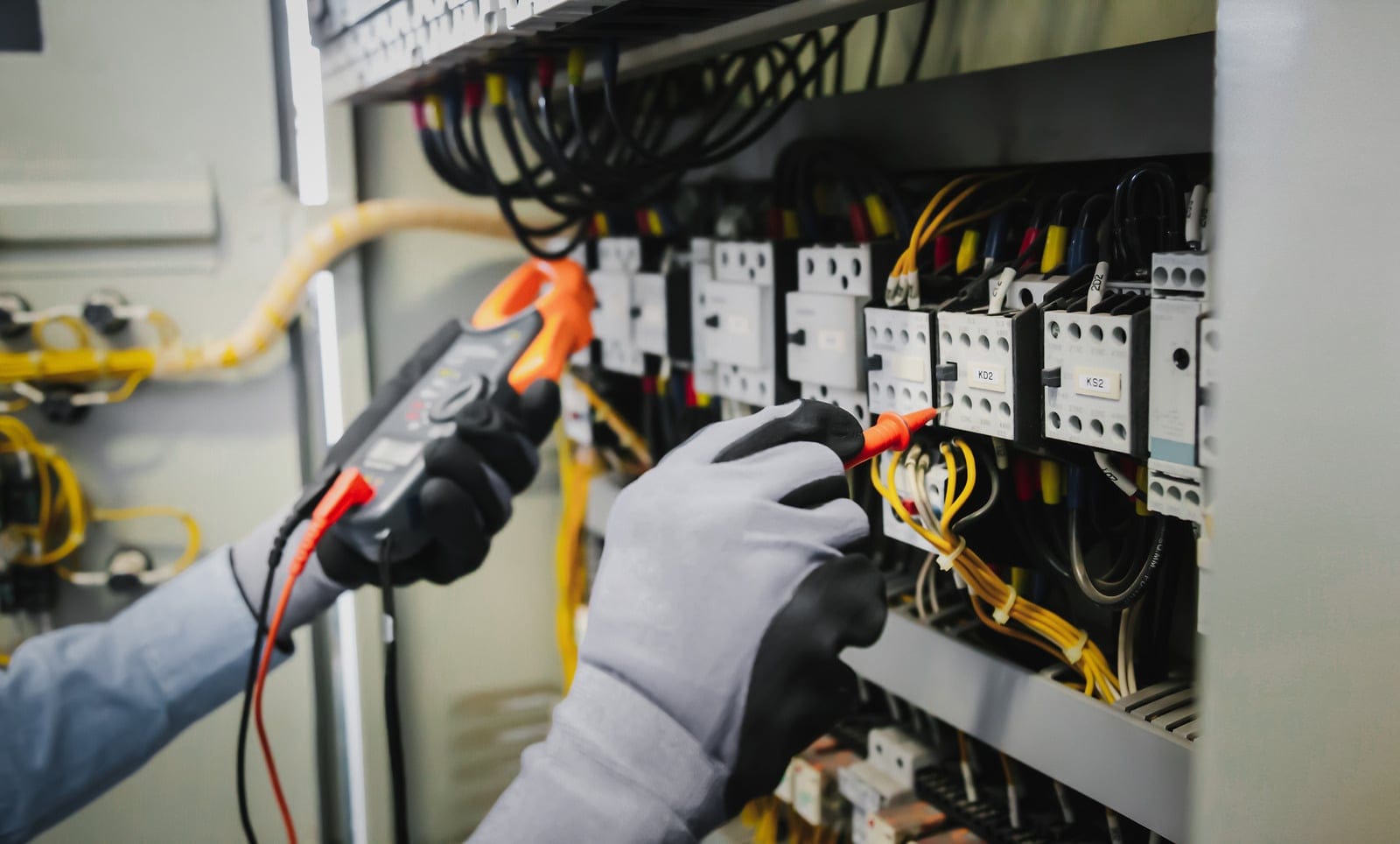
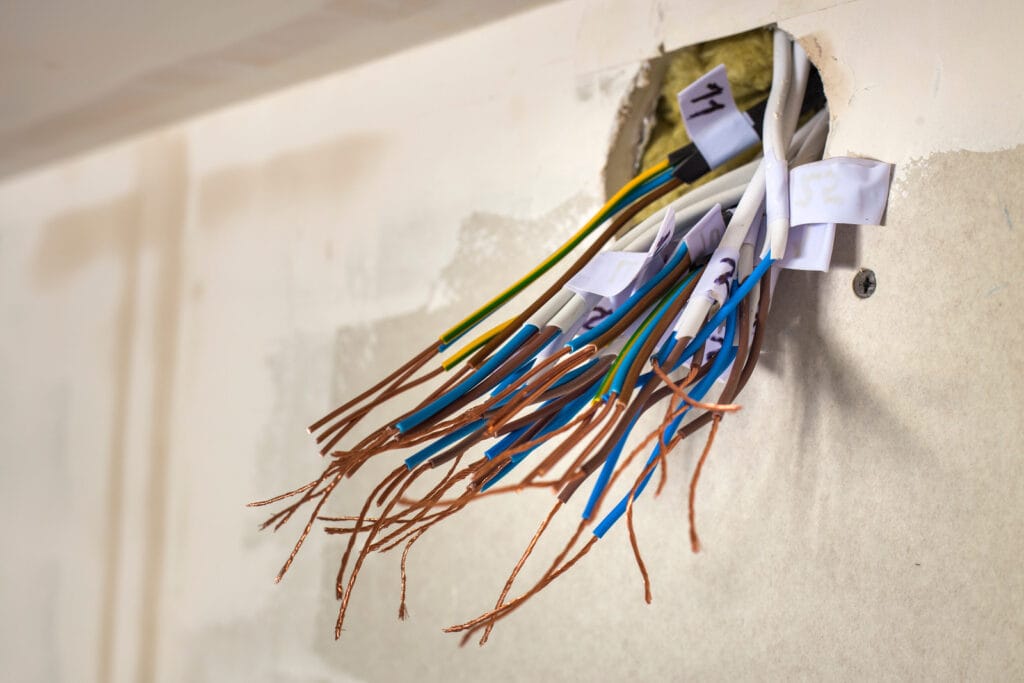
Here’s something renovation contractors in Ottawa see all the time: a homeowner budgets carefully for a kitchen gut-reno or a basement finish, picks out every tile and cabinet handle and completely forgets about the wiring until someone opens a wall and finds something alarming. Renovations Rewiring Ottawa is one of those things that tends to surface mid-project rather than get planned upfront. That’s almost always more expensive and more disruptive.
Older Ottawa homes and there are a lot of them, especially in the Glebe, Old Ottawa South, Westboro, and Vanier were built in an era when the electrical demands of a modern household weren’t on anyone’s radar. The wiring reflects that. And when walls come open during a renovation, what’s inside often needs to be dealt with before anything else can move forward. This guide covers what renovation rewiring actually involves, when it’s necessary, what it costs, and how to plan for it properly so it doesn’t derail the rest of the project.
Why Renovations and Rewiring Go Hand in Hand
Home rewiring services and renovations overlap more than most homeowners expect. The moment walls open up for a kitchen expansion, a bathroom addition, a finished basement the electrical inside becomes visible and, often, unavoidable.
There are a few reasons this keeps happening.
- First, older wiring wasn’t built for modern loads. A 1960s kitchen was designed around a few appliances and basic lighting. Today’s kitchen has a microwave, dishwasher, refrigerator, range, under-cabinet lighting, a coffee station, and a phone charging on the counter. The original wiring simply wasn’t sized for that.
- Second, electrical code compliance requirements in Ontario mean that once certain work is triggered, upgrades become mandatory. Opening walls for a renovation often requires bringing the affected circuits up to current code. That’s not optional it’s part of the permit process.
- Third, home electrical inspections during a renovation frequently surface issues that weren’t visible before. Junction boxes buried in walls. Connections made without proper fittings. Circuits with no ground. These can’t be closed back up and ignored once they’ve been found.
Knob and Tube Wiring: The One That Always Comes Up
Knob and tube replacement is probably the most common rewiring conversation that happens during Ottawa home renovations. Knob and tube was standard from roughly the 1880s through the 1940s. A huge number of Ottawa’s older neighbourhoods still have it, sometimes hidden behind newer drywall, sometimes still openly visible in basements and attics. The problems with it aren’t always obvious. The wiring itself can still function. But knobs and tubes have no ground wire, which means no protection for modern electronics. It wasn’t designed to be covered with insulation which most attics now have, creating a heat buildup risk. And it’s old. Old wiring degrades. Insulation on the wires becomes brittle. Connections loosen. Most Ottawa insurers won’t cover homes with active knob and tube, or they charge significantly higher premiums. Some require proof of knob and tube replacement before issuing a policy at all. During a renovation is the logical time to deal with it walls are already open, the disruption is already happening, and the cost is lower than doing it as a standalone project.
Room by Room: What Renovation Electrical Upgrades Actually Look Like
Renovation electrical upgrades vary a lot depending on which part of the house is being touched. Here’s a realistic breakdown:
Kitchens
Kitchen renovation electrician work is almost always extensive. Modern kitchens require dedicated circuits for the refrigerator, microwave, dishwasher, and range. The Ontario Electrical Safety Code requires at least two small appliance circuits for countertop use. Under-cabinet lighting, range hood wiring, and island outlets add to the scope. A kitchen reno without touching the electrical is rare and usually means the electrical wasn’t adequate to begin with.
Bathrooms
Bathroom electrical upgrades are driven largely by code. Ground fault circuit interrupter (GFCI) protection is mandatory near water sources. Exhaust fan wiring, heated floor circuits, and dedicated circuits for larger fixtures are common additions. In older bathrooms, none of that exists. A bathroom renovation almost always requires at minimum a new dedicated circuit and GFCI protection throughout.
Basements
Basement renovation wiring is one of the more involved electrical scopes in a home project. Finishing an unfinished basement means running new circuits for lighting, outlets, a home office or media room, potentially a bathroom, and sometimes a subpanel if the main panel is already near capacity. Arc fault circuit interrupter (AFCI) protection is required in finished basement living spaces under current Ontario code. That’s a newer requirement that catches a lot of older homes off guard.
Old House Rewiring: When It’s More Than Just One Room
Old house rewiring as a full-home project not tied to a specific renovation is a bigger undertaking. But sometimes that’s what’s actually needed.
Signs that a whole-home rewire may be on the table:
- Breakers tripping regularly on multiple circuits
- Outlets that don’t work, or work intermittently
- No grounded outlets (two-prong only throughout the house)
- Visible knob and tube or aluminum branch circuit wiring
- Burn marks or discolouration around outlets or switches
- A panel with fuses instead of breakers, or a known-problematic brand like Federal Pacific or Zinsco
Rewiring contractors Ottawa who specialize in older homes understand how to minimize disruption running new wiring through finished walls using fishing techniques, access points at baseboards, and strategic cuts rather than gutting rooms. It’s more labour-intensive. It’s also a lot less invasive than some homeowners fear going in.
Panel Upgrades: The Job That Makes Everything Else Possible
Panel upgrades come up constantly during renovations, and for good reason. Many Ottawa homes built before 1980 have 100-amp service or less. That was fine for the era. It’s not fine for a modern household running a double oven, an electric vehicle charger, central air conditioning, and a home office setup simultaneously.
Modern wiring installation for a major renovation almost always triggers a conversation about whether the existing panel can handle the new circuits. Often it can’t. A 200-amp upgrade is the current residential standard in Ottawa for homes undergoing significant work. Some larger homes or those adding EV charging and heavy HVAC equipment are looking at 400-amp service. The panel upgrade also matters for safety. Panels from the 1970s and earlier, especially certain brands have documented failure rates. An ESA inspection during electrical renovation services will flag these. Better to deal with it during a renovation than as an emergency later.
Permits, Inspections, and Why They Actually Matter
Electrical code compliance in Ontario isn’t optional, and any legitimate electrical renovation services provider knows that. ESA permits are required for new circuits, panel upgrades, and any significant electrical remodeling work. The permit triggers an ESA inspection once the work is complete which is how the homeowner gets documented proof that everything was done to code. This matters more than people realize at the time. At resale, buyers and their home inspectors will ask about permits for renovation work. Unpermitted electrical work is a red flag that can affect an offer, require remediation, or create insurance complications.
Home electrical inspections through the ESA are also available as standalone assessments not just tied to new work. For anyone buying an older Ottawa home and wanting to understand what they’re inheriting, that’s a worthwhile $300 to $500 to spend before closing. Licensed rewiring contractors Ottawa handle the permit process as part of the job. If a contractor is suggesting work without permits to save money or move faster that’s a reason to find someone else.
What Does Renovation Rewiring Cost in Ottawa?
Costs depend heavily on the size of the project, the condition of the existing wiring, and what the renovation scope demands. Rough ranges:
- Kitchen renovation electrician work: $1,500–$5,000+ depending on existing wiring and new circuit requirements
- Bathroom electrical upgrades: $500–$2,000 for a standard bathroom renovation
- Basement renovation wiring: $2,000–$8,000 for a full basement finish
- Knob and tube replacement: $8,000–$20,000+ for whole-home replacement depending on house size
- Panel upgrades: $2,500–$6,000 for a standard 200-amp residential upgrade
- Old house rewiring (full home): $15,000–$30,000+ for a full rewire in a finished home
These are starting points. Every house is different. Getting a proper assessment from licensed rewiring contractors Ottawa before finalizing a renovation budget is the only way to avoid a costly mid-project surprise.
Frequently Asked Questions
Does a home need rewiring during a renovation in Ottawa?
Not always, but more often than people expect. Any renovation safety upgrades that open walls, add new circuits, or trigger ESA permits may reveal wiring that needs to be brought up to current electrical code compliance standards. Kitchens and bathrooms almost always require renovation electrical upgrades. Older homes with knob and tube replacement needs should budget for it before opening walls.
Can electricians replace knob and tube wiring without removing all the walls?
Yes, experienced rewiring contractors Ottawa use fishing techniques to route modern wiring installation through finished walls with minimal damage. Access points at baseboards, attic runs, and strategic cuts keep disruption manageable. A full gut renovation makes it easier and cheaper, but old house rewiring in occupied, finished homes is done regularly in Ottawa with far less mess than most homeowners anticipate.
Do renovations require electrical permits in Ottawa?
Any electrical remodeling that involves new circuits, panel upgrades, or changes to the electrical system requires an ESA permit in Ontario. This applies to basement renovation wiring, kitchen renovation electrician work, and bathroom electrical upgrades. Licensed home rewiring services handle permits as standard practice. Skipping them creates real problems at resale and inspection.
What are the signs a house needs rewiring before or during renovation?
Frequent breaker trips, outlets that don’t work, two-prong-only outlets throughout, visible knob and tube replacement-era wiring, or a fuse box instead of breakers are all clear signals. A pre-renovation home electrical inspection by a licensed electrician will identify what’s actually there and what home rewiring services are needed before the project starts rather than mid-demo when it’s more disruptive.