Most homes weren’t built for the way people actually live in them now. A 1980s electrical panel never saw a home theatre coming. Never planned for an EV charger in the garage, a home office running three monitors, or a kitchen full of appliances all plugged in at once. Circuit upgrades, circuit installation not exactly thrilling dinner conversation, but for a lot of Ottawa homeowners, it’s quietly become one of the more important home improvement decisions they’ll make. This post breaks down why that matters. What the warning signs look like. What the process actually involves. And when it’s time to stop putting it off.
Homes Have Changed. Panels Haven’t Always Kept Up
- Go back forty, fifty years. The average home ran a handful of lights, maybe a fridge, a stove, a washer and dryer. Electrical demand was modest. Panels were built to match.
- Fast forward to now. Smart TVs, multiple computers, space heaters, EV chargers, home offices with their own equipment stacks. The demand has grown dramatically. The panel in a lot of older Ottawa homes? Still original. Still rated for a much lighter load than it’s currently carrying.
- That gap is where problems start. Not always dramatically, sometimes it’s just a breaker that trips a little too often, or an outlet that feels warm to the touch. Small signs. Easy to ignore. Worth not ignoring.
Signs It’s Time for an Upgrade
Breakers Tripping More Than They Used To
One tripped breaker occasionally, no big deal. A breaker tripping weekly, or whenever two appliances run at once? That’s a capacity issue. The panel’s telling you something, even if it’s not exactly subtle about it.
Flickering or Dimming Lights
Lights dim slightly when the microwave kicks on. Or when the AC starts up. That’s usually a sign the circuit is being asked to do more than it comfortably can. Not dangerous immediately, necessarily but not normal either.
Buzzing Outlets or Warm Switch Plates
Worth repeating from a safety standpoint: any buzzing sound or warmth at an outlet or switch deserves attention. Could be loose wiring. Could be an overloaded circuit. Either way, it’s not something to leave for “someday.”
Reliance on Power Bars and Extension Cords
A home with extension cords running across every room, power bars stacked on power bars that’s usually a sign there simply aren’t enough circuits, or outlets, to meet actual demand. Electrical capacity improvement through added circuits often solves this more permanently than adding yet another power strip.
Renovation or Major Appliance Plans
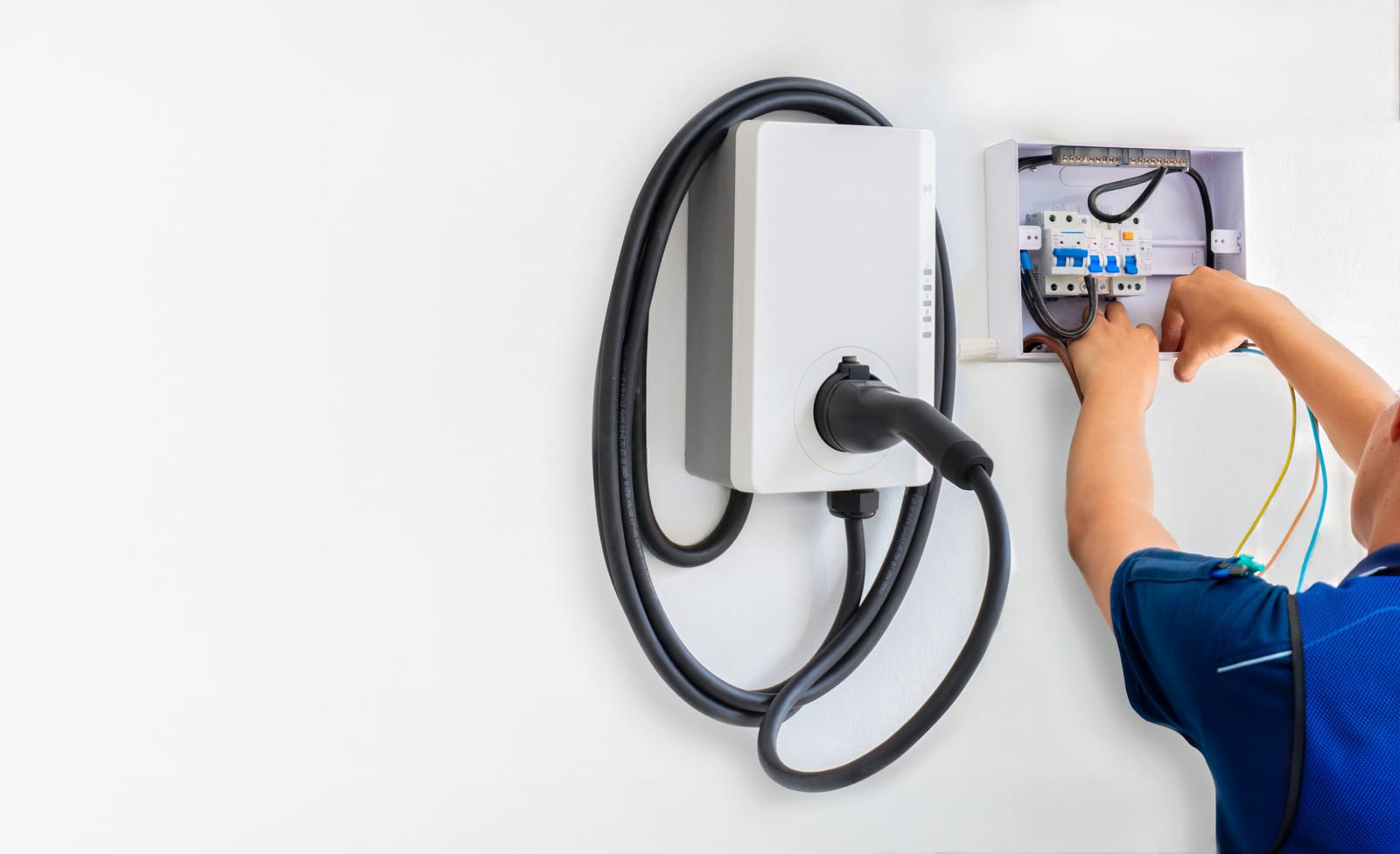
Adding a hot tub. Finishing a basement. Installing an EV charger. Each of these typically requires dedicated circuits that an older panel simply wasn’t built to support. This is usually the moment homeowners actually start researching circuit installation not because of a problem, but because of a plan.
What’s Actually Involved in a Circuit Upgrade
Electrical Panel Upgrades
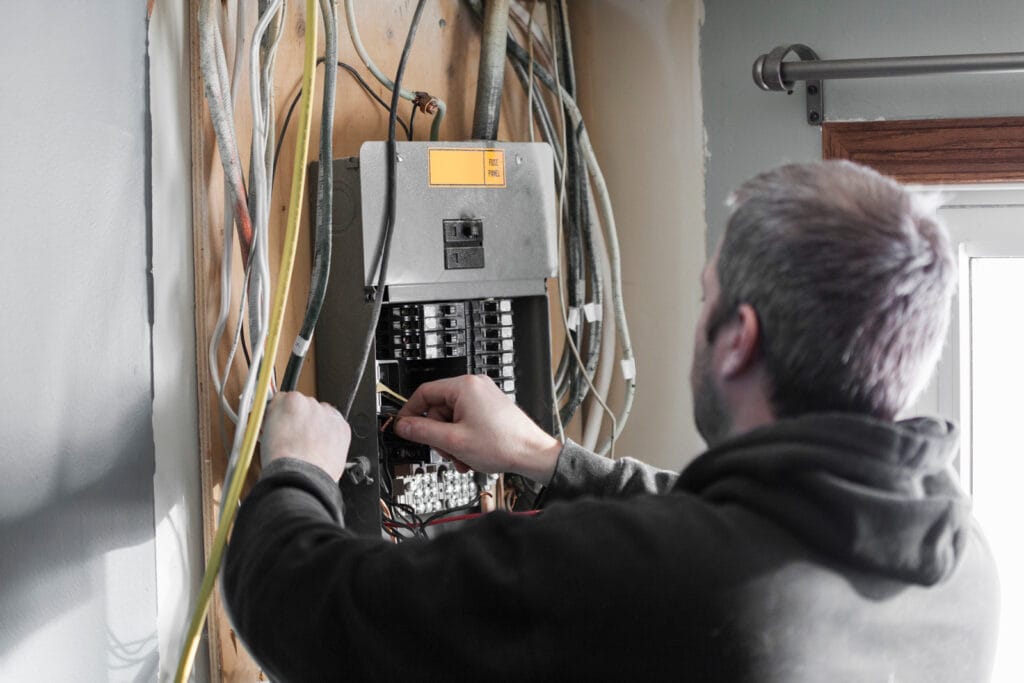
Often the starting point. Electrical panel upgrades increase the home’s overall capacity, allowing more circuits and higher-demand appliances to run safely. Older 60-amp or 100-amp panels frequently get replaced with 200-amp service, which has become something close to a standard expectation for modern homes.
Breaker Replacement
Old breakers wear out. Truth be told, breakers don’t last forever, even when nothing visibly looks wrong with them. Breaker replacement ensures each circuit is protected by hardware that actually trips when it should not too early, not too late, not at all in the worst cases.
Circuit Breaker Installation
New circuits need new breakers. Circuit breaker installation for added circuits a kitchen renovation, a new home office, a garage workshop has to be sized correctly for the load it’s protecting. Get this wrong and the safety margin disappears.
Dedicated Circuits for High-Demand Appliances
Certain appliances really shouldn’t share a circuit with anything else. EV chargers, hot tubs, electric ranges, central air units these typically need their own dedicated line, sized specifically for that load. Sharing circuits with general household outlets is one of the more common causes of nuisance tripping.
Why This Matters for Safety, Not Just Convenience
Let’s face it, most people think about circuit upgrades in terms of convenience. No more tripped breakers, no more flickering lights. Fair enough. But safety is really the bigger story here.
- Overloaded circuits generate heat. Heat, sustained over time, is how electrical fires start. Older panels also sometimes use breaker types that are harder to source replacement parts for, or that simply don’t trip as reliably as modern equivalents. Home electrical upgrades address both problems at once better performance day to day, and a meaningfully reduced fire risk over the long run.
- Insurance is part of this conversation too, even if it doesn’t come up immediately. Some insurers ask about panel type and age, particularly for older homes. An outdated or undersized panel can occasionally complicate coverage or renewal. Not always. But it happens often enough to be worth knowing.
What the Process Looks Like
- A typical upgrade starts with an assessment of current panel capacity, existing circuits, and anticipated future needs. From there, a licensed electrician maps out what’s required: panel replacement if needed, new circuits where they’re needed, and updated breakers throughout.
- The timeline varies. A straightforward panel upgrade might take a day. More complex projects, especially ones involving new circuits run through finished walls, can take longer. Permits and inspections are part of the process too, and for good reason this isn’t work where cutting corners makes sense.
Frequently Asked Questions
When should a home electrical circuit be upgraded?
Consider an upgrade when breakers trip frequently, lights flicker under load, or a renovation adds major appliances like an EV charger or hot tub. Homes with original panels older than 25-30 years are also good candidates, even without obvious symptoms, simply due to outdated capacity and components.
What are the signs of overloaded circuits?
Frequent breaker trips, flickering or dimming lights when appliances run, warm outlets or switch plates, and heavy reliance on power bars and extension cords all point to overloaded circuits. Buzzing sounds near outlets are another red flag worth taking seriously rather than dismissing.
How much do circuit upgrades cost?
Cost depends heavily on scope a single new circuit costs far less than a full panel replacement. Factors include panel age, home size, and how accessible the wiring is. A licensed electrician can provide an accurate quote after assessing the home's current electrical setup.
Can circuit upgrades improve home safety?
Yes, significantly. Upgraded circuits reduce overheating risk, ensure breakers trip reliably when they should, and eliminate the need for extension cords and overloaded power bars. For older homes especially, circuit upgrades address one of the more common, and more preventable, causes of residential electrical fires.