Most house fires don’t start with a bang. They start small a loose connection, an overloaded circuit, a part that’s been quietly degrading for years without anyone noticing. Residential electrical services exist to catch exactly these kinds of problems before they turn into something far worse. Not glamorous work, necessarily. But arguably some of the most important maintenance a home can get. This post runs through ten upgrades that consistently make homes safer. Some are quick fixes. Others are bigger investments. All of them matter, depending on a home’s age and current setup.
1. GFCI Outlet Installation
Ground-fault circuit interrupters are one of the simplest, most effective safety upgrades available. GFCI installation in kitchens, bathrooms, garages, and outdoor areas cuts power instantly the moment it detects a ground fault long before a person would even feel a serious shock.
Older homes, especially ones built before the mid-1970s, frequently lack GFCI protection entirely in these high-risk areas. Retrofitting them is relatively quick work, and honestly one of the better safety-to-cost ratios in residential electrical work.
2. AFCI Protection for Bedrooms and Living Areas
Arc-fault circuit interrupters catch a different kind of problem the small, dangerous arcing that happens when wiring is damaged or connections loosen over time. Unlike a standard breaker, AFCIs are designed specifically to detect this arcing pattern and shut the circuit down before it ignites anything nearby.
Many newer homes include AFCI protection by code. Older homes usually don’t, which makes this one of the more overlooked electrical safety upgrades homeowners tend to skip simply because they’ve never heard of it.
3. Surge Protection at the Panel Level
Plug-in power bars with “surge protection” printed on the box offer some help, sure. But whole-home surge protection installed at the panel covers everything connected to the electrical system at once appliances, electronics, HVAC equipment, all of it.
Ottawa sees its share of storms and power fluctuations throughout the year. A single significant surge can fry electronics worth thousands of dollars in an instant. Panel-level surge protection is a relatively modest investment against that kind of risk, and it tends to pay for itself the first time it actually does its job.
4. Electrical Panel Upgrades
An undersized or outdated panel is one of the more common safety issues in older homes. Panel upgrades increase overall capacity, replace aging components that may no longer trip reliably, and bring a home’s electrical foundation up to current standards.
Let’s face it, most homeowners never think about their panel until something goes wrong. By then, it’s often handling more electrical demand than it was ever designed for. Upgrading proactively avoids the scramble that comes with a panel failure, which usually happens at the least convenient time possible.
5. Smoke and Carbon Monoxide Detector Wiring
Battery-only detectors work, technically. Hardwired detectors, interconnected throughout the home, work better when one triggers, they all sound, giving occupants more warning time regardless of where in the house the alarm originated. This upgrade is straightforward but genuinely effective, particularly in larger homes where a battery alarm in one room might not be heard two floors away.
6. Tamper-Resistant Outlets
A small but meaningful upgrade for homes with young children. Tamper-resistant outlets include a built-in shutter mechanism that blocks foreign objects from being inserted into the slots, while still allowing a standard plug to work normally. It’s now code-required in new construction, but plenty of older homes haven’t been retrofitted.
7. Knob-and-Tube or Aluminum Wiring Replacement
Covered in more depth elsewhere, but worth a mention here too. Homes with knob-and-tube or aluminum wiring carry meaningfully higher fire risk than homes with modern copper wiring. Replacing it is a bigger project, no question but it’s one of the upgrades that addresses risk at the source rather than just managing symptoms around the edges.
8. Updated Wiring for High-Demand Appliances
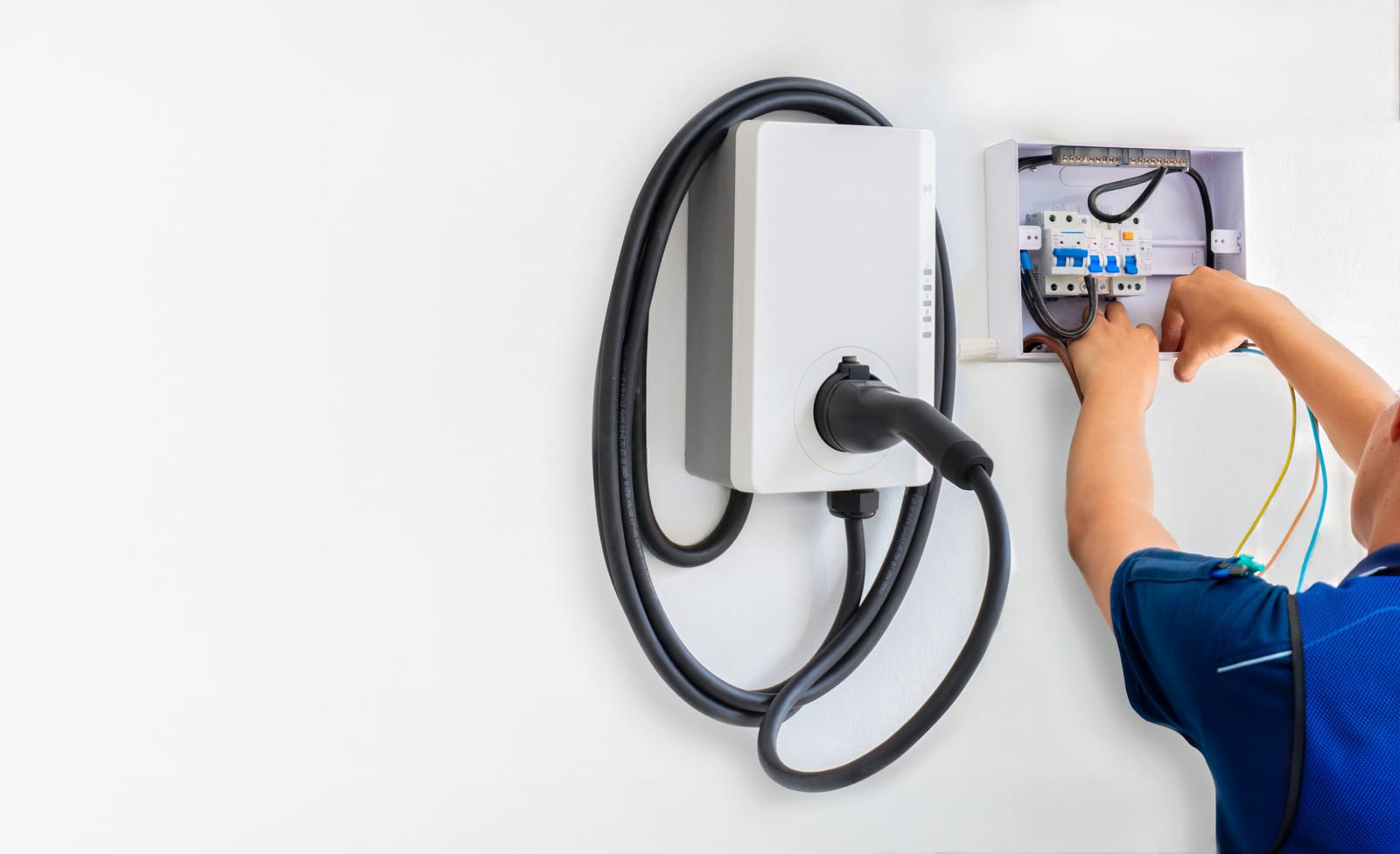
EV chargers, hot tubs, electric range appliances like these need dedicated circuits sized specifically for their load. Sharing a circuit with general household outlets is a common cause of nuisance tripping, and in worse cases, overheating. This kind of targeted upgrade often comes up alongside broader panel upgrades, since added capacity is usually needed to support it.
9. Outdoor and Wet-Location Electrical Upgrades
Outdoor outlets, pool equipment, hot tub wiring, anything exposed to moisture needs weatherproof covers, proper GFCI protection, and correctly rated cable. Water and electricity are a genuinely dangerous combination, and outdoor electrical work that wasn’t done to current standards is one of the more serious risks lurking in older homes.
10. Comprehensive Home Electrical Inspections
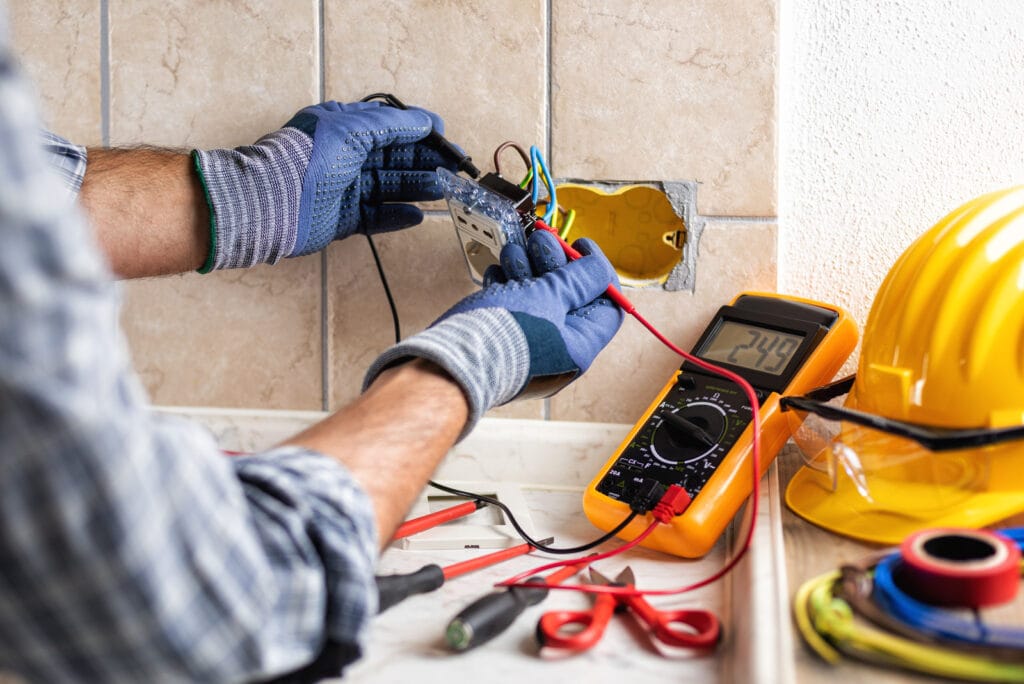
Maybe the most important item on this list, if only because it’s the one that catches everything else. Home electrical inspections assess the panel, wiring condition, outlet safety, grounding, and code compliance throughout the entire home not just the areas that happen to be visible or convenient to check. Truth be told, most electrical problems hide behind walls, in attics, in places nobody looks unless they’re specifically checking. An inspection brings all of that into view at once, rather than discovering issues one at a time as they happen to fail.
Why These Upgrades Work Better Together
Each of these ten items solves a slightly different problem. GFCI and AFCI protection catch faults as they happen. Surge protection guards against external spikes. Panel upgrades and rewiring address capacity and aging infrastructure. Detectors and tamper-resistant outlets reduce risk for occupants directly.
None of them are mutually exclusive, and most homes benefit from more than one. A home with an outdated panel and no GFCI protection, for instance, is dealing with two separate risk factors that happen to compound each other. Addressing both tends to produce a meaningfully safer result than fixing just one.
Where to Start
For homeowners unsure where their home stands, a full inspection is usually the most sensible starting point. It identifies which of these upgrades actually apply, rather than guessing or addressing things in a random order. From there, electrical safety upgrades can be prioritized based on actual risk panel issues and wiring concerns first, smaller items like tamper-resistant outlets after.
Frequently Asked Questions
What electrical upgrades improve home safety?
GFCI and AFCI installation, panel upgrades, surge protection, hardwired smoke detectors, and updated wiring for high-demand appliances all meaningfully improve safety. Each addresses a different risk, from shock protection to fire prevention, and most older homes benefit from several of these residential electrical services at once.
Are surge protectors worth installing?
Whole-home surge protection at the panel level offers broader, more reliable protection than plug-in power bars alone. Given the cost of replacing damaged electronics and appliances after a major surge, panel-level protection is a relatively small investment that often pays for itself the first time it's needed.
What is included in an electrical inspection?
A thorough inspection covers the panel, wiring condition, outlet and switch safety, GFCI and AFCI presence, grounding, and overall code compliance. Inspectors typically check attics, basements, and behind accessible panels to identify issues that aren't visible during everyday use of the home.
Which electrical upgrades offer the best value?
GFCI installation and panel-level surge protection tend to offer strong value relative to cost. Panel upgrades cost more upfront but address capacity and safety at the source. The best starting point is usually a full inspection to prioritize based on actual risk rather than guesswork.