Got an electric vehicle, or one arriving soon, and now the home charging question is just sitting there waiting to get figured out. Most people assume it’s simple, plug something in, done. Reality’s a bit more involved than that, especially for a proper Level 2 charger that makes daily charging actually practical rather than just technically possible. EV charger installation done right involves some real preparation, and understanding what that looks like before calling anyone saves a lot of time and back and forth later.
This post covers what Ottawa homeowners actually need to do before getting a home charger installed, what the process looks like, and why getting this right from the start matters more than most people realize.
Why Home Charging Changes the Whole Experience
Public charging stations exist, obviously. But relying on them for daily driving is genuinely inconvenient, planning routes around chargers, waiting around, never quite knowing if a station’s going to be available or working properly. Home charging means plugging in overnight and waking up to a full battery every single morning without thinking about it at all.
The Level 1 charger that comes with most EVs, the one that plugs into a regular household outlet, adds maybe five to eight kilometres of range per hour. Fine for occasional top-ups. Not really practical as a primary charging solution for anyone driving a meaningful distance regularly, which is most people.
Level 2 charger installed on a dedicated circuit at home adds somewhere between thirty and eighty kilometres of range per hour depending on the vehicle and charger. Overnight charging that actually works. That’s the setup most EV owners end up wanting pretty quickly after getting their first electric vehicle honestly.
Starting With the Electrical Panel
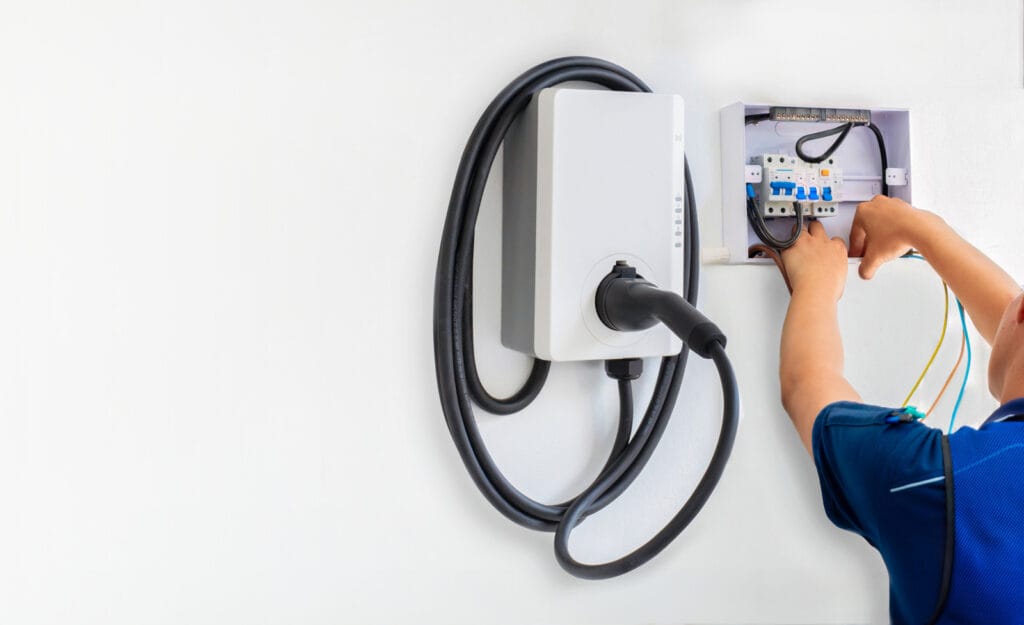
Where most people don’t think to start, but where any EV charger installation in Ottawa professionally starts their assessment. A Level 2 charger typically needs a 240 volt, 40 amp dedicated circuit at minimum, with some setups requiring 50 amps or more depending on charger and vehicle.
Older Ottawa homes, particularly those built before the 1980s, often have panels with limited capacity that might not accommodate a new high-draw circuit without an upgrade first. Even newer homes sometimes have panels nearly at capacity with existing loads, leaving little room for an EV charger circuit without some electrical work happening before anything else.
Getting the panel assessed before anything else saves time and money. Finding out during installation that a panel upgrade is necessary creates delays and unexpected costs that a preliminary assessment would’ve caught upfront. Worth doing first, every time.
Understanding the Different Charger Options
Level 1, Level 2, different connector types, smart chargers versus basic ones, more variety than most people expect when first looking into it. For most Ottawa homeowners, a Level 2 charger with a 40 amp circuit covers the overwhelming majority of daily driving needs without overcomplicating things unnecessarily.
Smart chargers, the ones connecting to wifi and allowing scheduling through an app, have real practical value beyond just being a gadget. Scheduling charging during off-peak electricity hours in Ontario, typically overnight, reduces operating costs and takes pressure off the grid during peak demand periods. Hydro Ottawa and Ontario’s electricity system have peak demand considerations that make off-peak charging genuinely beneficial rather than just a nice-to-have option.
Where the Charger Actually Goes
Inside the garage is the standard choice for most Ottawa homes, protected from weather and close to where the vehicle parks. Not everyone has a garage though, and outdoor-rated chargers installed on an exterior wall or near a driveway work fine with the right equipment.
The run from the electrical panel to the installation location affects cost directly. Shorter runs cost less. Longer runs through finished walls or ceilings in the garage add labour and materials to the job. Thinking through cable routing before installation day means fewer surprises during the actual work, and fewer surprises is always better.
Permits and Code Compliance in Ottawa
This one catches people off guard sometimes honestly. EV charging solutions in Ottawa installations require electrical permits through the City of Ottawa in most cases, and the work needs to be done by a licensed electrical contractor who pulls the permit and has the work inspected properly.
DIY installation of a Level 2 charger, beyond being potentially dangerous, creates real problems with home insurance and potentially with the vehicle warranty too. Insurance companies in Canada have become increasingly aware of unpermitted electrical work, and a claim related to a fire traced back to unpermitted wiring creates complications nobody wants to deal with after the fact.
A licensed electrical contractor handles permits, does the work to code, gets it inspected, and covers the homeowner properly. That’s the right way to do it.
Rebates and Incentives Worth Checking Before Installation
This is the part most Ottawa homeowners miss because they look into it after installation rather than before. The federal government’s iZEV program has provided rebates on EV purchases, and various provincial and utility programs have covered portions of home charging installation costs at different points over time.
Checking current available incentives before scheduling installation matters because programs change and some require pre-approval before work happens rather than reimbursement afterward. Qualified EV charger installation in Ottawa contractors familiar with current programs can usually point homeowners toward applicable rebates, which meaningfully reduces the net installation cost when they’re available.
What Installation Day Actually Looks Like
Straightforward installation, licensed electrician runs the new circuit from the panel to the installation location, mounts the charger, connects everything properly, tests the setup. Total time for an uncomplicated installation in a home with an adequate panel, typically a few hours, sometimes less.
More complex situations, panel upgrades, long cable runs, outdoor installations requiring weatherproofing and conduit work, take longer and cost more. Getting a proper quote accounting for the specific situation rather than a generic price from a website is worth the extra step.
Preparing the Physical Space Before Anyone Arrives
Few practical things homeowners can do before the electrician shows up that make the job go more smoothly. Clear the area around the electrical panel so it’s accessible without moving things around on installation day. Think through where the vehicle parks relative to where the charger will be mounted, and whether the charging cable will comfortably reach without being pulled tight. Check whether the garage has adequate lighting near the installation area.
None of this is complicated. Thinking through it beforehand rather than during the installation saves time and avoids small decisions that slow things down when someone’s standing there waiting.
Choosing the Right Installer
Not every electrician has experience specifically with EV charging solutions in Ottawa installations, and the specifics genuinely matter. Experience with charger brand compatibility, knowledge of Ottawa permit requirements, familiarity with current rebate programs, understanding of panel upgrade requirements for different home types, all of this varies between contractors quite a bit.
Asking specifically about EV charger installation experience rather than just general electrical work, getting references from previous EV installation jobs, confirming they pull permits and handle inspections as part of the job, these questions separate the right choice from just whoever’s available soonest. Soonest available isn’t always the right call here.
Preparing properly for EV charger installation at an Ottawa home isn’t complicated, but it does involve more than just picking a charger and booking an electrician. Panel capacity, permit requirements, charger location, available rebates, choosing a contractor with specific EV installation experience, all of it feeds into an installation that goes smoothly and works reliably for years without issues. Getting this right from the start costs less than fixing problems that come from rushing the process or skipping preparation steps that actually matter.
Frequently Asked Questions
How much does EV charger installation typically cost in Ottawa?
Costs vary based on panel capacity, cable run length, charger type, and whether a panel upgrade is needed. Basic installations in homes with adequate existing panels fall within a moderate range, while more complex situations cost more. Available rebates can meaningfully offset the net cost depending on what programs are currently active.
Do I need a permit for EV charger installation in Ottawa?
Yes, in most cases. EV charger installation Ottawa requires an electrical permit through the City of Ottawa, and work must be completed by a licensed electrical contractor. Unpermitted installations create insurance complications and potentially affect home resale, making proper permitting worth doing correctly from the start.
What electrical panel capacity is needed for a home EV charger in Ottawa?
A Level 2 charger typically requires a 240 volt, 40 amp dedicated circuit at minimum. Homes with older or nearly full panels may need an upgrade before installation is possible. Having an electrician assess panel capacity before scheduling installation avoids discovering this limitation on the actual day work was planned.
Are there rebates available for EV charging solutions Ottawa homeowners can access?
Various federal and provincial programs have provided rebates for EV purchases and home charging installation at different points. Programs change and some require pre-approval before work begins. Checking current available incentives with a qualified EV charger installation Ottawa contractor familiar with existing programs helps ensure applicable rebates don't get missed entirely.