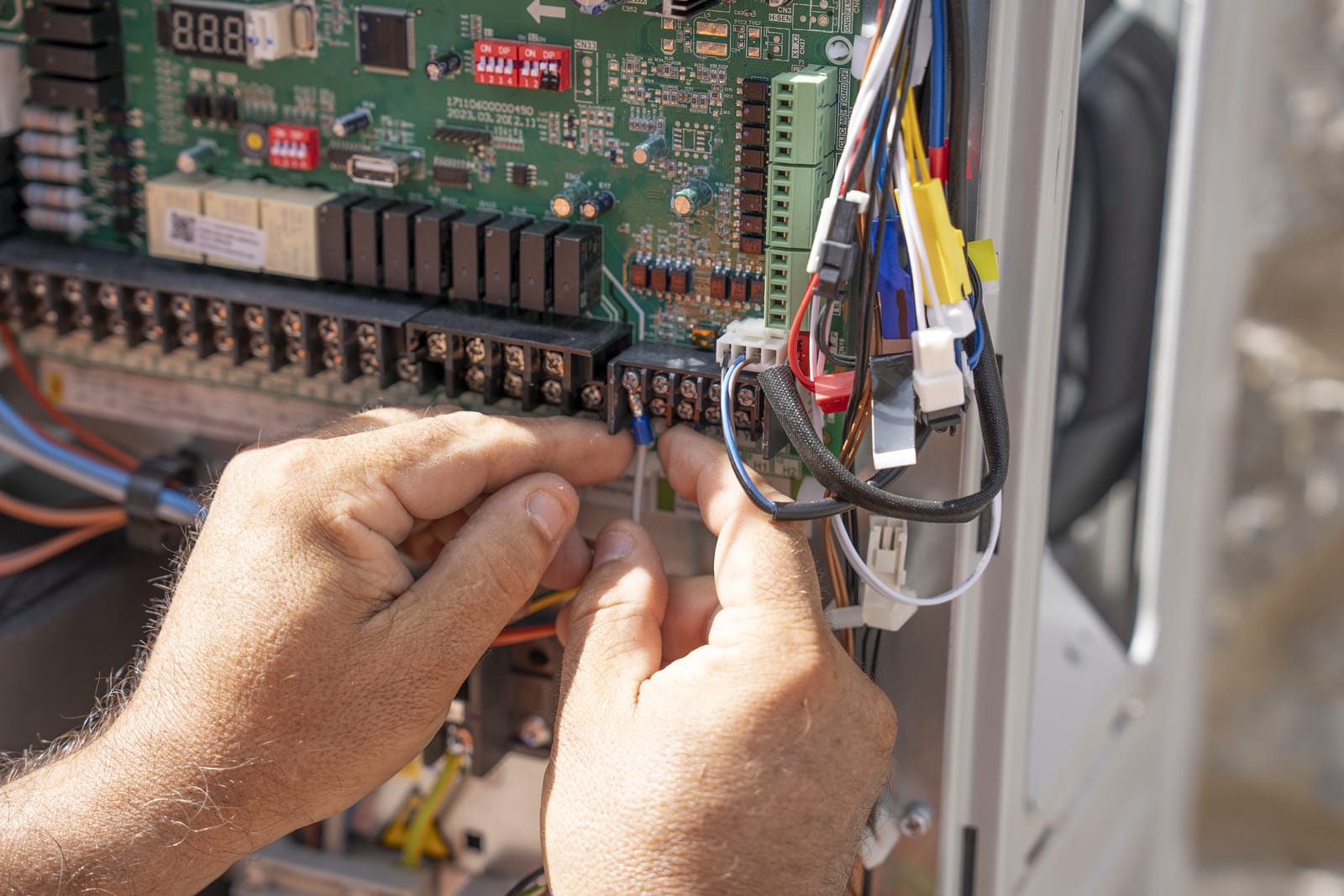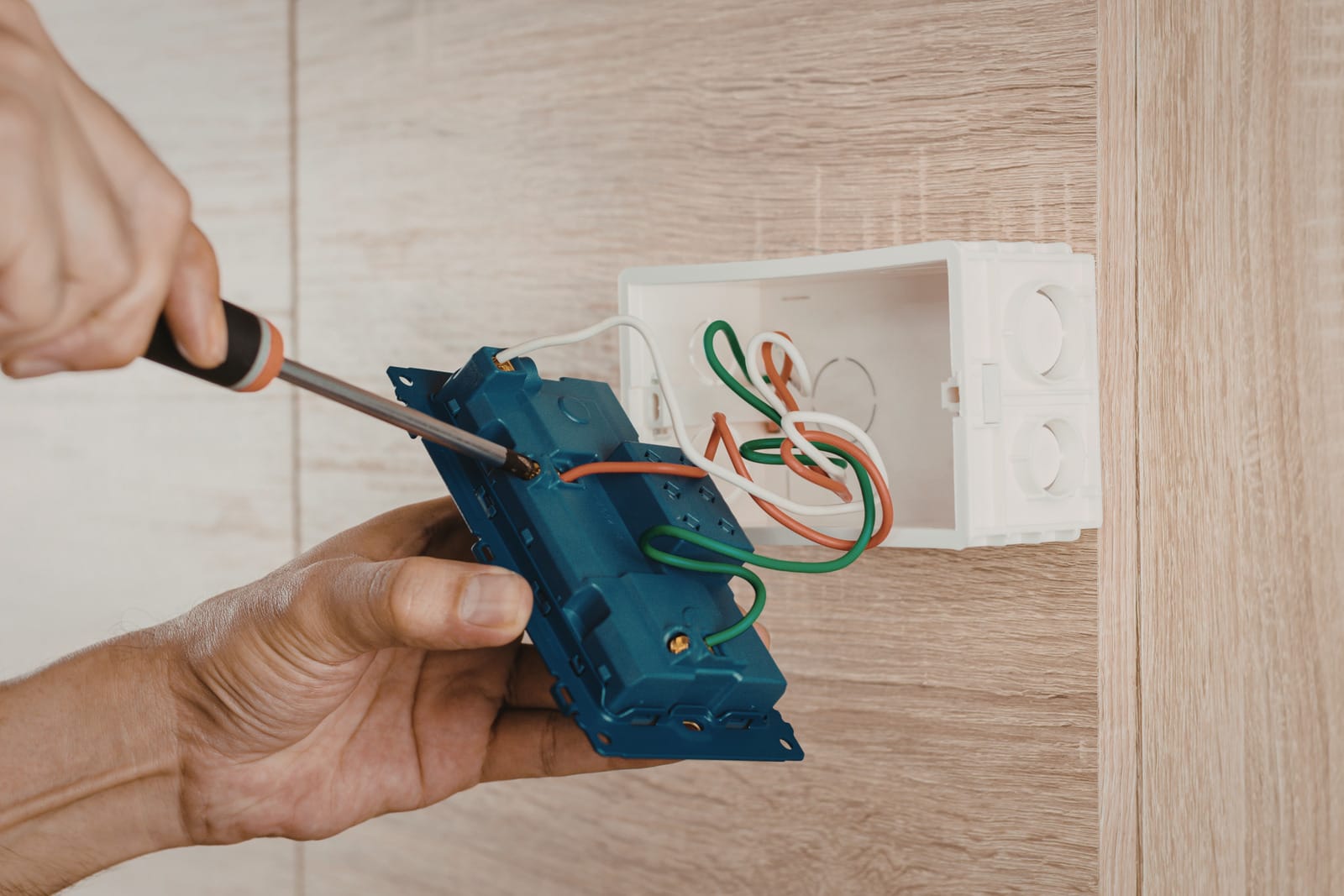
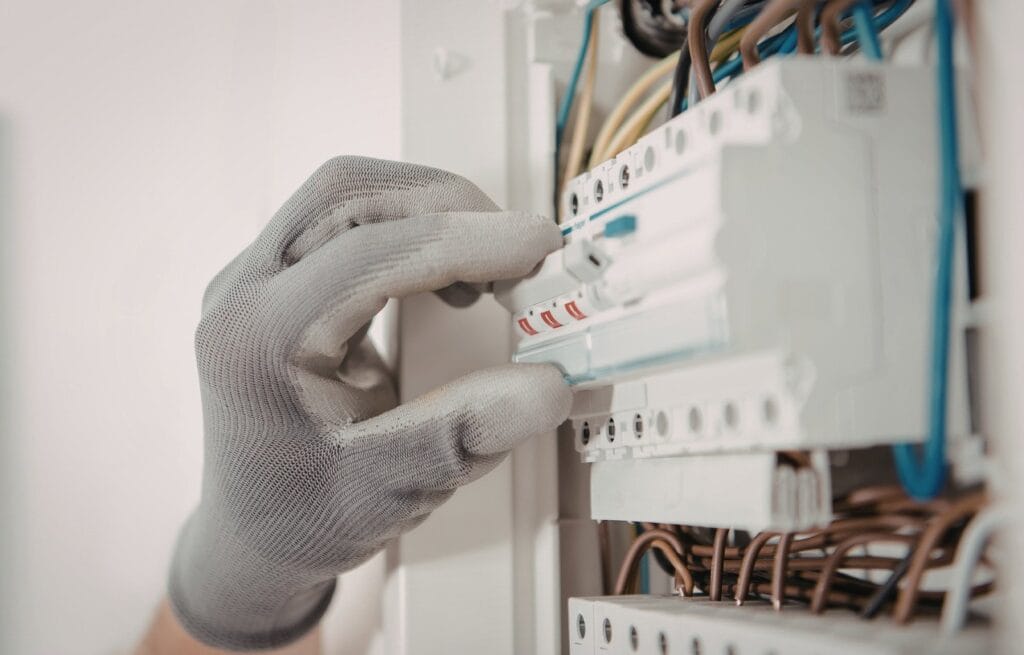
Electrical problems don’t usually announce themselves. A breaker trip. Lights flicker. Outlets feel warm. And suddenly, questions start coming up. Does the home need Circuit Installation, or is it time for Circuit Upgrades? The difference matters more than most people think. Safety. Performance. Even resale value. This guide breaks it down in plain language. What each option means. When it’s needed. And how to avoid guessing. Because electrical work isn’t the place for guesswork, let’s face it.
What Circuit Installation Really Means
Circuit Installation is about adding something new. A brand-new electrical pathway. Fresh wiring. A dedicated breaker. This usually happens when a home needs more power than it was originally designed to handle. Think of new appliances. EV chargers. Finished basements. Home offices are packed with equipment. Older homes, especially, weren’t built for today’s load. Back then, one TV was enough. Now? Not so much. With proper Circuit Installation, power is distributed safely. Each high-demand area gets its own circuit. No overloads. No constant breaker trips. Just smoother operation.
Understanding Circuit Upgrades
Circuit Upgrades focus on improving what’s already there. Not adding new paths, but strengthening existing ones. This often applies to aging electrical systems that can’t keep up anymore. Old panels. Aluminum wiring. Outdated breakers. These are common issues in homes built 30 or 40 years ago. They may still work, technically. But “working” doesn’t always mean “safe.” Upgrading can include replacing panels, rewiring sections, or increasing amperage capacity. The goal is reliability. And safety. Truth be told, many electrical fires start with outdated components.
Key Signs Your Home Needs Attention
Some warning signs are easy to ignore. Until they aren’t.
- Breakers trip often
- Lights dim when appliances turn on
- Buzzing sounds from outlets
- Burning smells near the panel
These usually point toward Circuit Upgrades. The system is stressed. Pushing limits. That’s not ideal. On the other hand, adding a new appliance that demands heavy power often calls for Circuit Installation. Trying to squeeze it into an existing circuit is asking for trouble.
Data That Makes the Decision Clearer
According to the Electrical Safety Foundation International, electrical failures cause over 50,000 home fires each year in the U.S. Many are linked to overloaded circuits and outdated systems. Homes with modernized electrical systems show fewer service calls and lower insurance risks. In real-world cases, properties that completed proper Circuit Upgrades before renovations avoided costly delays and failed inspections. Numbers don’t lie. Preventive work costs less than emergency repairs.
Cost Differences to Keep in Mind
Here’s where things get tricky. Circuit Installation can be straightforward and relatively affordable when it’s a single addition. One circuit. One breaker. Clean job. Circuit Upgrades, though, can involve more labor. Panel replacements. Code compliance. Sometimes permits. Costs rise, but so does long-term value. After all, upgraded systems last decades. And they support future expansions without stress.
Choosing the Right Option
Sometimes the answer is simple. Sometimes it’s both. A home renovation might need new circuits and a stronger panel. A growing family might push an older system past its limit. Every house is different. What matters is addressing the real issue. Not the symptom.
Electrical systems age quietly. Until they don’t. Choosing between Circuit Installation and Circuit Upgrades comes down to safety, demand, and future plans. Ignoring the signs only makes problems louder later. Smart decisions now prevent serious risks later. That’s just the truth.
FAQs
Can a home need both circuit installation and circuit upgrades?
Yes. Many renovations require new circuits while also upgrading the main panel to support added load.
How often should electrical systems be evaluated?
Every 3–5 years, or before major renovations or appliance installations.
Do circuit upgrades increase home value?
Absolutely. Updated electrical systems improve safety, pass inspections easily, and appeal to buyers.