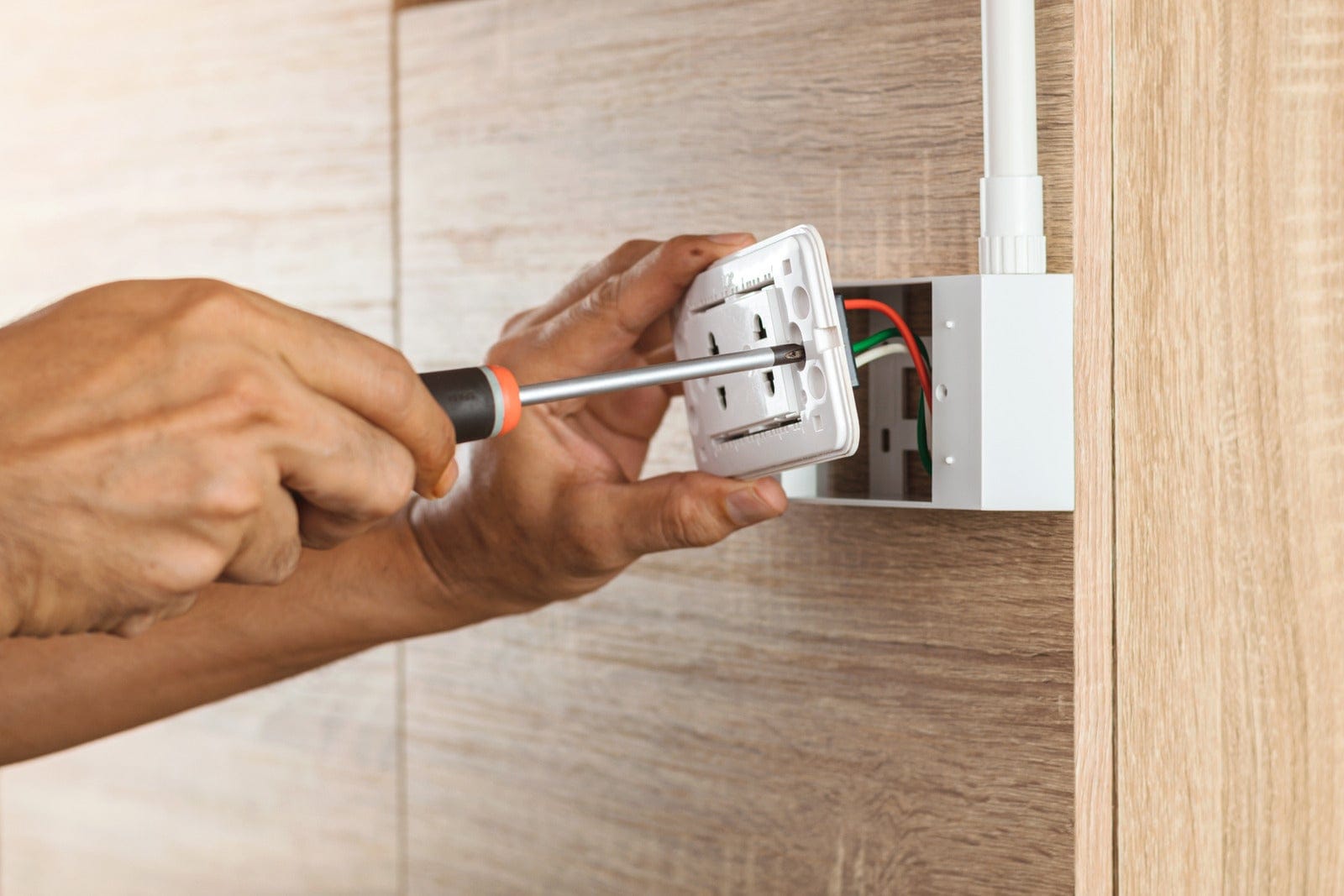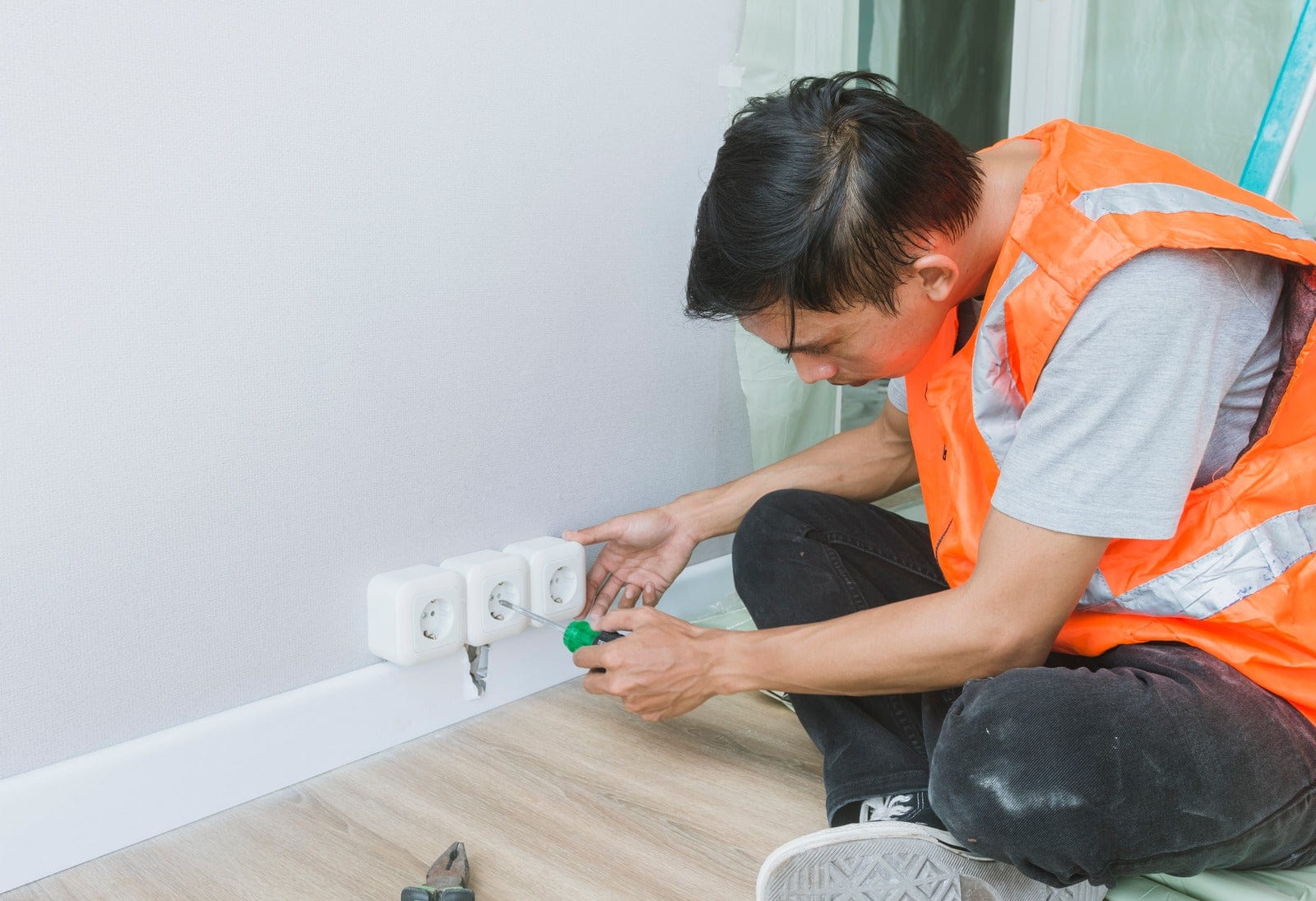
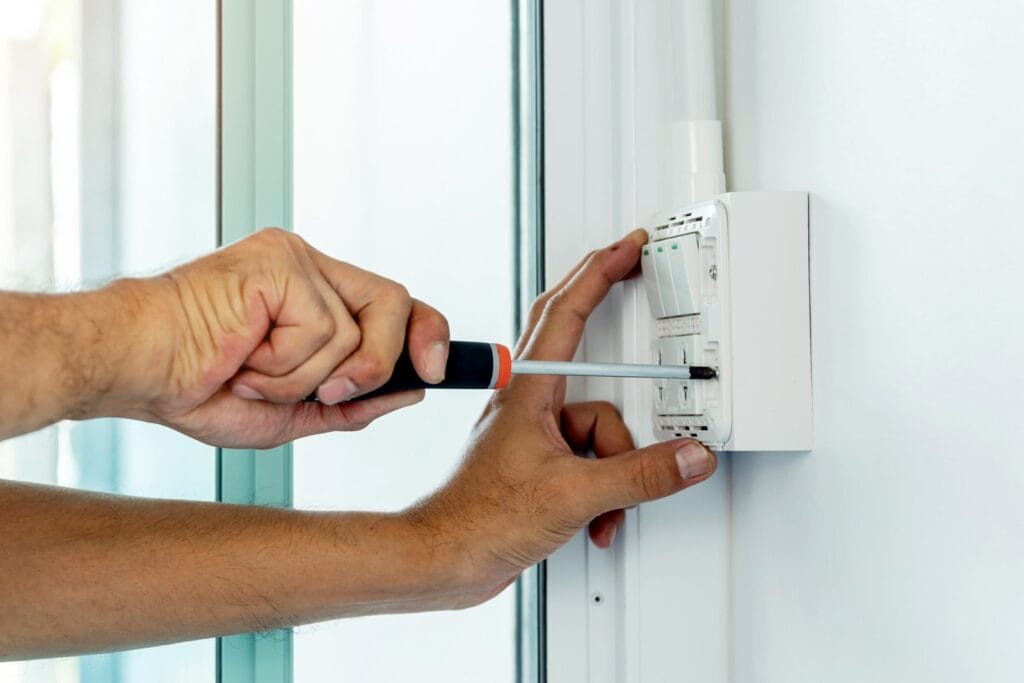
Adding an appliance, renovating a room or upgrading an older electrical panel can put more pressure on a home’s electrical system than most people think. That is why proper circuit installation matters much. A circuit is not a wire connected to a breaker. It is part of an electrical system that must be sized correctly, connected properly, protected from damage and tested thoroughly.
For homeowners in Ottawa any electrical work needs to follow safety rules and local electrical standards. A small mistake that is hidden behind a wall can cause problems later. Issues like overloaded wiring, frequent breaker trips, damaged equipment or even fire risks can happen if the job is not done properly.
This guide will explain when it is best to get help from a professional, what circuit installation really means and why hiring an electrician is usually the choice.
What Does Circuit Installation Actually Involve?
A circuit carries electricity from the panel, to lights, outlets, appliances or other devices around the home. Each circuit has a purpose and a set amount of power it can safely handle.
For example a refrigerator often needs its dedicated circuit. Larger appliances such as a range, dryer, air conditioner or EV charger may need circuits, with power capacity. Adding wires without checking the load can lead to dangerous situations.
A proper circuit installation may involve several steps, including:
- Assessing the electrical load
- Selecting the correct breaker size
- Choosing suitable wiring
- Installing outlets or equipment connections
- Connecting the circuit safely at the electrical panel
- Testing the completed circuit
Truth be told this can become tricky. Electrical systems are not always simple in older Ottawa homes where wiring may have been installed many years ago. I have seen many homeowners attempt these tasks but the risks can be high.
When Should You Hire a Professional Electrician?
There are situations where hiring a professional electrician is strongly recommended. Some projects may seem simple initially. Once the panel, wiring and electrical load are involved the work becomes more complex.
When Installing a New Dedicated Circuit
A dedicated circuit powers one appliance or piece of equipment. Common examples are dryers, ovens, dishwashers, sump pumps and EV chargers.
Installing a circuit requires proper calculations and selection of wiring. The circuit must safely handle the expected demand.
A professional electrician can determine if the existing panel has available capacity and if upgrades are required. This is especially important during the installation of circuits, for high‑demand equipment.
When Your Breakers Keep Tripping
A breaker that trips occasionally may simply be doing its job by protecting the circuit. Frequent tripping, however, can indicate an overloaded circuit or another electrical problem.
Homeowners sometimes try to solve the issue by adding more outlets or replacing breakers. That can make the situation worse.
A qualified electrician can inspect the circuit and determine whether the problem involves:
- Too many devices on one circuit
- Damaged wiring
- A faulty appliance
- Incorrect breaker sizing
- Electrical panel limitations
Sometimes a new circuit installation is the best solution. It can distribute the electrical load more safely and reduce unnecessary breaker trips.
During Home Renovations
Renovations often increase electrical demand. A finished basement may need lighting, outlets, entertainment equipment, and heating systems. A kitchen renovation may involve several appliances that require dedicated circuits.
Let’s face it, older homes were not designed for the number of electrical devices used today.
According to electrical safety organizations and fire prevention data, electrical distribution equipment and wiring remain significant contributors to residential electrical fire incidents. Overloaded circuits and faulty wiring are among the risks that proper installation and maintenance are intended to reduce.
During a renovation, an electrician can assess the existing electrical system before new circuits are added. This helps avoid placing too much demand on older wiring.
For circuit installation in Ottawa, this step can be particularly valuable in older neighbourhoods where electrical systems may have been upgraded gradually over many years.
When Installing High Power Appliances
Modern homes use more electricity than they did in the past. Electric vehicles, induction ranges, heat pumps, hot tubs, and workshop equipment can place significant demand on a home’s electrical system.
An EV charger, for example, may require a dedicated circuit with specific electrical capacity. The existing panel must also be able to support the additional load.
A professional electrician will assess:
- Available panel capacity
- Required circuit size
- Wire requirements
- Equipment specifications
- Proper grounding and protection
After all, an expensive appliance is only as reliable as the electrical system supplying power to it.
When the Electrical Panel Is Already Full
Opening an electrical panel and seeing no available breaker spaces does not necessarily mean a new circuit can simply be squeezed in.
The panel’s overall capacity also matters.
A licensed electrician can inspect the panel and determine whether options such as additional electrical capacity, a subpanel, or a panel upgrade may be appropriate. Adding circuits without considering the total load can create safety concerns.
This is one of the clearest situations where professional electrical circuit installation is necessary.
Why DIY Circuit Work Can Be Risky
DIY projects can save money in some areas of home improvement. Electrical work is different.
A mistake may not become obvious immediately. Wiring hidden behind walls could appear to work normally while still creating overheating or connection problems.
Incorrect electrical work can result in:
- Electrical shock
- Fire hazards
- Damage to appliances
- Repeated breaker failures
- Problems during home inspections
- Costly repairs later
There is also the issue of permits and electrical requirements. Professional electricians understand the standards that apply to residential electrical work.
The goal is not simply to make the power turn on. The goal is to ensure the system operates safely and reliably.
The Benefits of Professional Circuit Installation
Hiring a qualified electrician provides more than convenience.
Professional installation helps ensure the correct wire size, breaker type, electrical capacity, and safety measures are used. The electrician can also identify problems that may not be visible to a homeowner.
A properly completed circuit installation can provide:
- Safer electrical operation
- Reliable power for appliances
- Reduced circuit overloads
- Better support for renovations
- Improved long term electrical planning
For homeowners planning upgrades, professional advice can also prevent unnecessary work. Sometimes the electrical system needs only a new circuit. In other cases, the panel itself may require attention.
Knowing the difference matters.
Choosing an Electrician for Circuit Installation in Ottawa
Not every electrical project has the same requirements. Before hiring an electrician, ask about experience with similar installations.
It is also helpful to discuss the type of equipment being installed and any future plans for the home. For example, a homeowner planning an EV charger, basement renovation, or additional heating equipment may benefit from considering future electrical demand now rather than adding circuits one at a time.
A qualified professional can inspect the existing system and recommend a practical solution.
The cheapest option is not always the best option. Electrical work should be safe, properly completed, and suitable for the property’s long term needs.
A new circuit may look like an upgrade yet a new circuit plays a key role in the safety and reliability of a home’s electrical system. Whether a project involves a renovation, an appliance, an EV charger or persistent breaker problems, professional circuit installation can make sure the work is completed correctly.
For homeowners thinking about circuit installation, in Ottawa an electrical assessment is usually the starting point. An electrical assessment can reveal whether an existing panel has capacity and whether a dedicated circuit or extra electrical upgrades are required.
Small electrical problems can sometimes signal issues. Getting advice early can help prevent costly repairs and avoid unnecessary safety risks later.
Frequently Asked Questions
What is involved in electrical circuit installation?
Electrical circuit installation requires assessing electrical demand. Next the electrician chooses the breaker and wiring. Then the electrician connects the circuit to the panel and tests the finished installation. A professional electrician makes sure the electrical circuit installation is safe for the equipment it will power. That it meets all electrical safety rules.
When do I need a new circuit installation at home?
A new circuit is often needed when you add power appliances, renovate a kitchen or basement, install an EV charger or notice breaker trips. An electrician can inspect your panel. Decide if the existing circuit can safely handle more electrical demand.
Is circuit installation in Ottawa different for older homes?
Older homes often need electrical assessment because their wiring and panels were built for lower electrical demand. Circuit installation in Ottawa may involve checking existing wiring, panel capacity, grounding and the overall electrical condition before adding circuits or modern equipment.
Can I install a new electrical circuit myself?
Electrical circuit work can carry safety risks and may have to follow electrical regulations and permit rules. Incorrect wiring can cause shock, overheating damaged equipment or fire hazards. Hiring an electrician helps make sure the electrical circuit installation is done and tested safely.