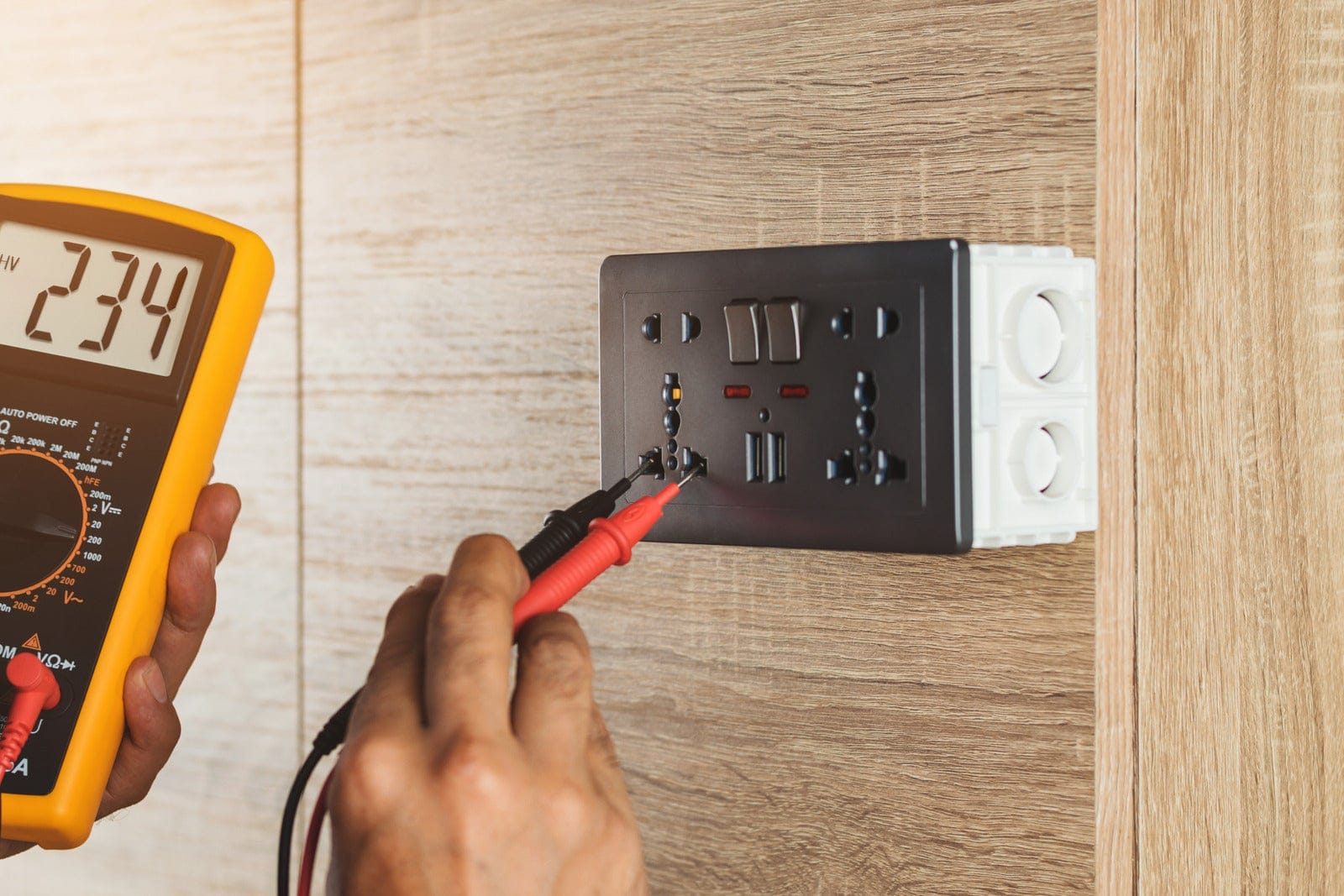
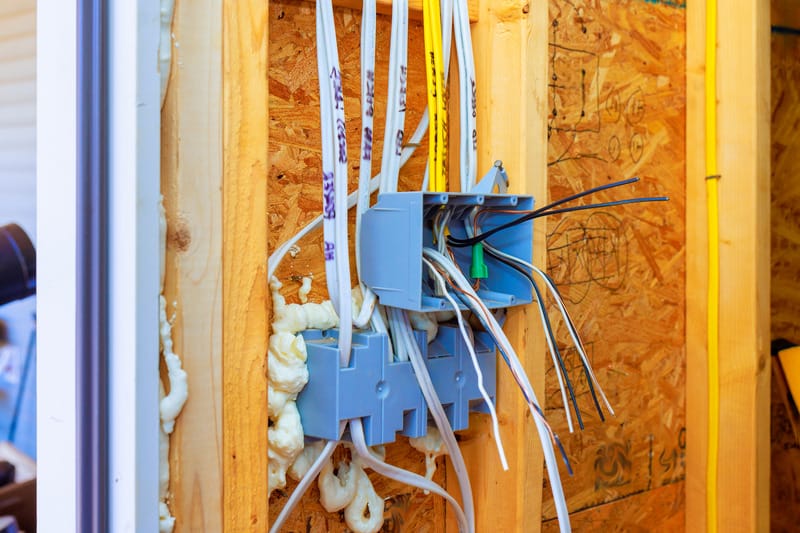
Renovations are exciting. New kitchen, open-concept living, a finished basement it all sounds great on paper. But behind those walls? That’s where things get complicated. Fast. Ottawa has a lot of older housing stock. Homes built in the 50s, 60s, and 70s weren’t wired for modern demands. Add a renovation into the mix and suddenly Renovations Rewiring Ottawa stops being optional and becomes absolutely essential. You can’t just patch new circuits into old infrastructure and call it a day. The code won’t allow it. The insurer won’t cover it. This guide walks through what homeowners actually need to know before, during, and after a renovation covering rewiring decisions, upgrade priorities, and what the rules actually say in Ontario.
Why Renovations and Electrical Work Go Hand in Hand
Here’s the thing most contractors won’t tell you upfront: opening walls is an opportunity. A once-in-a-decade chance to fix things that would otherwise require major disruption later. Any serious home rewiring Ottawa project should be timed alongside renovations whenever possible. The walls are already open. Permits are already being pulled. The incremental cost of running new circuits while you’re in there is a fraction of what it costs to do it separately. Truth be told, many homeowners who skip the electrical component during renovations end up paying double once for the reno, and again a few years later when they realise the wiring can’t support what they’ve built. It’s also worth noting: Ontario’s building code requires that any new work meet current standards. Which means if you’re adding a kitchen addition, that addition needs to be wired to today’s code regardless of what the rest of the house looks like.
Knob and Tube Wiring: The Big One
If your Ottawa home was built before 1950, there’s a real chance it still has knob and tube wiring hiding in the walls. Some homes built into the 1960s have it too. Knob and tube isn’t automatically dangerous the day it’s found. But it deteriorates over time. Insulation gets brittle. Connections loosen. And it was never designed to handle the electrical loads modern homes put on it. The problem compounds during renos. Knob and tube replacement is often triggered when homeowners try to add circuits to an old system and discover the existing wiring simply can’t support it. Most Ottawa insurers now require full replacement before they’ll provide coverage. Many won’t insure a home with an active knob and tube at all. That alone makes this a financial issue, not just a safety one. Getting it replaced during a renovation when walls are already open is far cheaper and less invasive than doing it as a standalone project.
What Wiring Upgrades Ottawa Homeowners Most Commonly Need
Not every renovation requires a full rewire. But most require something. Here’s what comes up most often in Ottawa homes:
- Panel upgrades. Most homes built before 1980 have 100-amp service. Modern homes typically need 200 amps minimum, especially with EV chargers, heat pumps, and high-draw appliances becoming standard.
- Dedicated circuits. Kitchens, bathrooms, laundry rooms, and home offices all need dedicated circuits under current code. Adding them during a reno is the cleanest approach.
- GFCI and AFCI protection. Ground fault and arc fault protection is now required in most areas of new builds and renovations. Older homes almost never have it.
- Wiring upgrades Ottawa. Aluminum wiring from the 1960s–70s needs special attention. It’s not illegal, but it requires specific connectors and regular inspection.
A qualified electrical renovation services provider will assess what’s already in place and recommend the upgrades that make sense without overselling.
Understanding Electrical Code Compliance Ontario
This is where a lot of DIYers get into trouble.
The Ontario Electrical Safety Code (OESC) is updated regularly. What was acceptable in 1990 may not be compliant today. And when you renovate, the new work must meet the current code full stop.
Key electrical code compliance Ontario requirements that apply to most renovations include:
- All new electrical work must be inspected by the Electrical Safety Authority (ESA)
- Permits must be pulled before work begins, not after
- GFCI protection required in kitchens, bathrooms, garages, and outdoors
- AFCI protection required in bedrooms and most living spaces in new circuits
- Smoke and CO alarms must be updated to current placement standards if any electrical work is done
Skipping the permit isn’t just a fine risk. It’s a liability if something goes wrong, and a potential deal-breaker when the house is sold.
The Real Cost of Skipping Electrical Work During a Reno
Let’s face it, budget is always the conversation. And electrical work isn’t cheap. But the math on skipping it is worse. Consider a homeowner who spends $60,000 on a kitchen renovation but skips the panel upgrade. A year later, they want to add an EV charger. Now the panel upgrade is a standalone job, walls need to be reopened, permits pulled again, and the cost is 40–60% higher than if it had been done during the reno. Or consider the scenario of unpermitted work being discovered during a home sale. Buyers’ inspectors flag it. Deals fall through or prices drop. The seller ends up paying to fix it anyway on a tight timeline and often at a premium. The home rewiring Ottawa projects that get done right during renovations almost always cost less in the long run. Full stop.
How to Find the Right Electrical Contractor for Your Renovation
Not every electrician has experience with renovation work specifically. It’s a different skill set than new construction, working around finished surfaces, coordinating with other trades, phasing work around occupancy.
When vetting electrical renovation services providers in Ottawa, ask:
- Do you have experience with renovations in homes of this age?
- Will you coordinate directly with the general contractor or other trades?
- Do you handle ESA permit applications and inspections?
- Have you done knob and tube replacement projects before?
A good renovation electrician should be able to walk through the existing wiring, flag issues before work starts, and give a realistic scope. Surprises should be minimised upfront not discovered mid-demo.
Frequently Asked Questions
Do I need rewiring during home renovations?
Not always, but often yes. If your Ottawa home has knob and tube wiring, aluminum wiring, or an undersized panel, a renovation is the ideal time to address it walls are already open and permits are being pulled anyway. An ESA-registered electrician can assess what’s needed before work begins and prevent costly surprises mid-project.
How much does rewiring a house cost in Ottawa?
A full home rewire in Ottawa typically ranges from $8,000 to $20,000+, depending on home size, accessibility, and the complexity of existing wiring. Partial rewires or panel upgrades done during renovations cost significantly less when bundled with other work. Always get a written quote from a licensed contractor that includes ESA permit and inspection fees.
Is old wiring dangerous in older homes?
It depends on the type and condition. Knob and tube wiring deteriorates over time and wasn’t designed for modern electrical loads; it can be a fire risk when modified or overloaded. Aluminum wiring from the 1960s–70s requires specific connectors and regular inspection. An ESA-registered electrician can assess the risk and recommend the appropriate course of action.
What electrical upgrades increase home value?
Panel upgrades from 100 to 200 amps, EV charger rough-ins, updated GFCI and AFCI protection, and full knob and tube replacement all meaningfully increase Ottawa home values. Buyers and insurers look for these. Permitted, inspected electrical work also reduces buyer’s risk, which translates directly into stronger offers and fewer deal-breaker conditions during sale.