YouTube makes everything look easy. Swap a light fixture, install an outlet, run a new line to the garage all wrapped up in a tidy ten-minute video with upbeat music. Real electrical work doesn’t always go that smoothly. Ottawa wiring services exist for a reason, and that reason usually becomes obvious the moment a DIY project goes sideways behind a wall nobody can see into. This post covers the electrical projects homeowners attempt most often and why most of them are worth handing off to a professional instead. Not because DIY is bad. Because some risks just aren’t worth taking on a system that, frankly, doesn’t forgive mistakes.
Why Electrical Work Is Different From Other DIY Projects
Painting a wall wrong means repainting it. A bad tile job means redoing some tile. Electrical mistakes carry heavier consequences: fire risk, shock risk, code violations that surface later during a home sale or insurance claim. The stakes are just higher, plain and simple.
Truth be told, a lot of electrical work looks simple on the surface. Connect this wire to that wire, screw in the cover plate, done. What’s harder to see is everything underneath that decision: proper gauge wiring, correct breaker sizing, grounding, code compliance. Get one piece wrong and the whole circuit becomes a liability, even if the lights still turn on like nothing’s wrong.
Panel Upgrades and Replacements
An electrical panel is the control center for an entire home’s power. Touching it incorrectly doesn’t just risk one circuit it risks everything connected to it. Panel work involves working with live, high-amperage connections, and the margin for error is basically zero.
Electrical wiring contractors handle panel upgrades specifically because they understand load calculations, proper breaker sizing, and the permitting requirements that come with this kind of work. This isn’t a project where confidence substitutes for licensing.
Whole-Home Rewiring
Older homes especially ones built before the 1980s often need a full rewire at some point. Maybe it’s aluminum wiring. Maybe it’s knob-and-tube that’s decades past its intended lifespan. Either way, rewiring services involve running new wire through walls, ceilings, and tight spaces, all while maintaining code compliance throughout.
This is genuinely not a weekend project. It’s also not a project where shortcuts are forgiving. A rewire done halfway, or done without proper permits, tends to create more problems at resale than it solves in the moment. Buyers’ inspectors notice. Insurance companies sometimes notice too.
Adding New Circuits
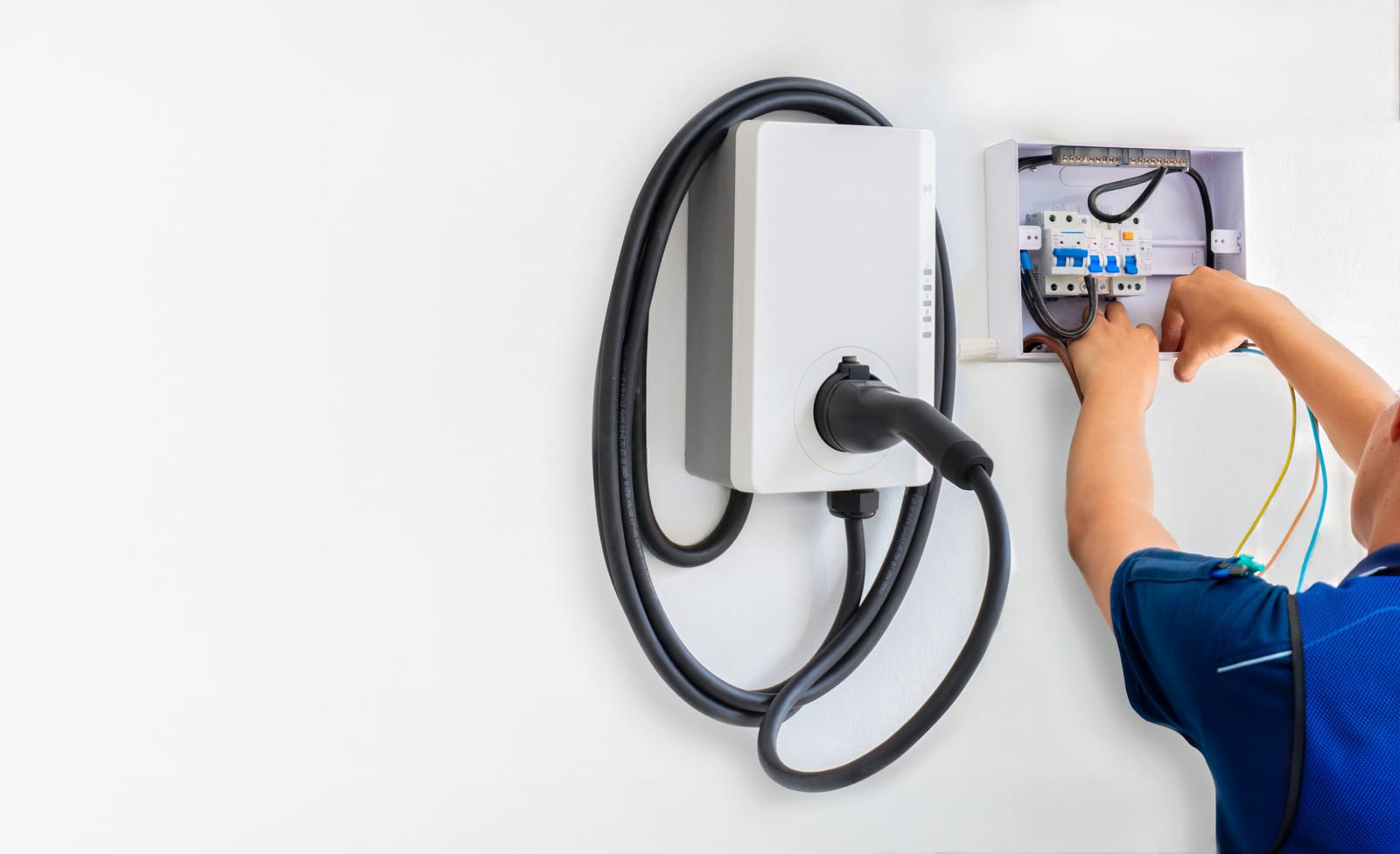
Need a dedicated line for a hot tub? An EV charger? A home office with serious equipment? New circuit installation requires more than just running wire from point A to point B. It means calculating the load correctly, selecting the right breaker, and making sure the panel actually has capacity to support it without overloading the whole system. Get the math wrong here and the result isn’t just an inconvenience. It’s a circuit that trips constantly, or worse, one that overheats quietly behind a wall where nobody’s watching.
Outdoor and Underground Wiring
Running power to a shed, a detached garage, or outdoor lighting sounds simple enough. It isn’t, not really. Outdoor wiring has to handle moisture, temperature swings, and burial depth requirements that vary depending on what’s running through the line. Get the wrong cable type, or bury it at the wrong depth, and the failure might not show up for months until it does, usually at the worst possible time. Home wiring services for outdoor and underground work account for all of this upfront, since fixing a buried wiring mistake later means digging it all back up again.
Knob-and-Tube or Aluminum Wiring Replacement
Worth its own mention. Knob-and-tube wiring, common in homes built before the 1950s, wasn’t designed for modern electrical loads at all. Aluminum wiring, common in the 60s and 70s, comes with its own set of connection and overheating risks discussed at length elsewhere. Both require specialized knowledge to replace safely not the kind of thing learned from a forum post the night before starting.
Electrical Repairs After Storm Damage or Flooding
Ottawa winters bring their share of storms, and storm damage to electrical systems is more common than people assume. Water-damaged wiring, downed lines, panels exposed to moisture none of this is safe to assess or repair without proper training. Electrical repairs Ottawa homeowners need after storm events typically start with a full safety assessment before anything gets touched, since damage isn’t always visible from the surface.
Why Permits and Inspections Actually Matter
Here’s something a lot of DIYers skip entirely: permits. Electrical work in most municipalities requires a permit and inspection, particularly for anything involving the panel or new circuits. Skipping this step isn’t just a technicality, it means the work was never verified as safe, and it can create real problems down the line during a home sale or insurance claim. Residential electricians pull permits as a matter of course, not as an afterthought. It’s part of doing the job properly, even if it adds a bit of time to the process.
When DIY Actually Makes Sense
To be fair, not everything electrical requires a professional. Replacing a light fixture with the power off. Swapping a standard outlet cover. Installing a battery-operated smoke detector. These are reasonably low-risk and well within most homeowners’ comfort zones. The line gets crossed the moment a project involves the panel, new circuit runs, outdoor wiring, or anything buried behind walls where mistakes go unnoticed until they’re not. That’s where it makes sense to step back and call someone qualified.
Frequently Asked Questions
What wiring services do electricians provide?
Licensed electricians handle panel upgrades, new circuit installation, whole-home rewiring, outdoor and underground wiring, troubleshooting, and storm damage repairs. Most Ottawa wiring services also include safety inspections and code compliance work, ensuring existing wiring meets current standards rather than just functioning on the surface.
How often should house wiring be inspected?
Most professionals recommend an inspection every 5-10 years, or immediately when buying an older home. Homes with aluminum or knob-and-tube wiring benefit from more frequent checks, given the higher risk profile. An inspection also makes sense after any major renovation or visible electrical warning sign.
When should a home be rewired?
Rewiring becomes necessary when a home has outdated wiring types like knob-and-tube or aluminum, frequent electrical issues, or insufficient capacity for modern appliances. Homes older than 40-50 years with original wiring are strong candidates, even without obvious symptoms, simply due to material aging and outdated safety standards.
How do I choose a wiring contractor in Ottawa?
Look for licensed, insured electrical wiring contractors with verifiable experience and proper permitting practices. Checking reviews, asking for references, and confirming they pull permits for panel and circuit work are all good indicators. Avoid anyone offering significantly lower pricing without a clear explanation for the gap.