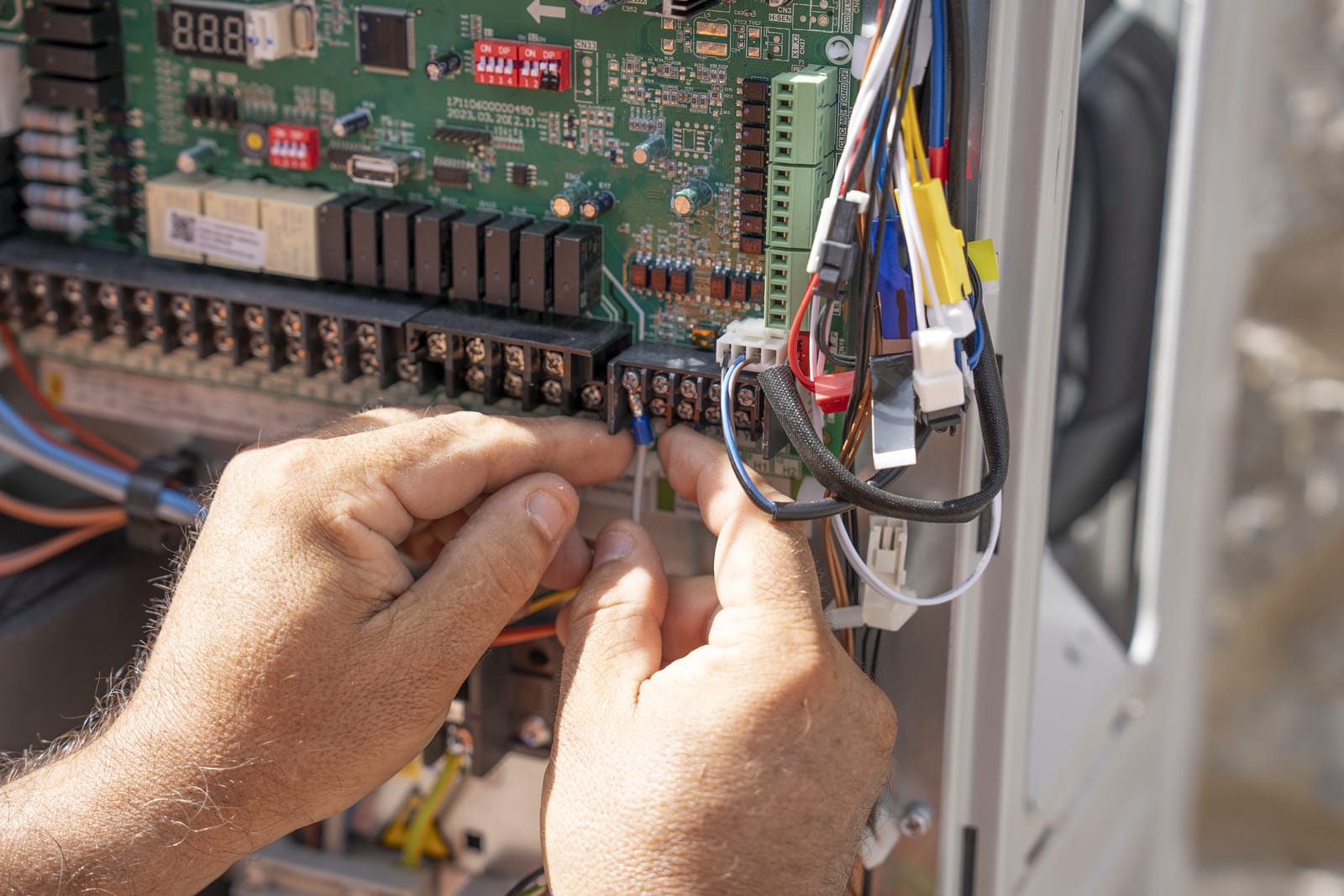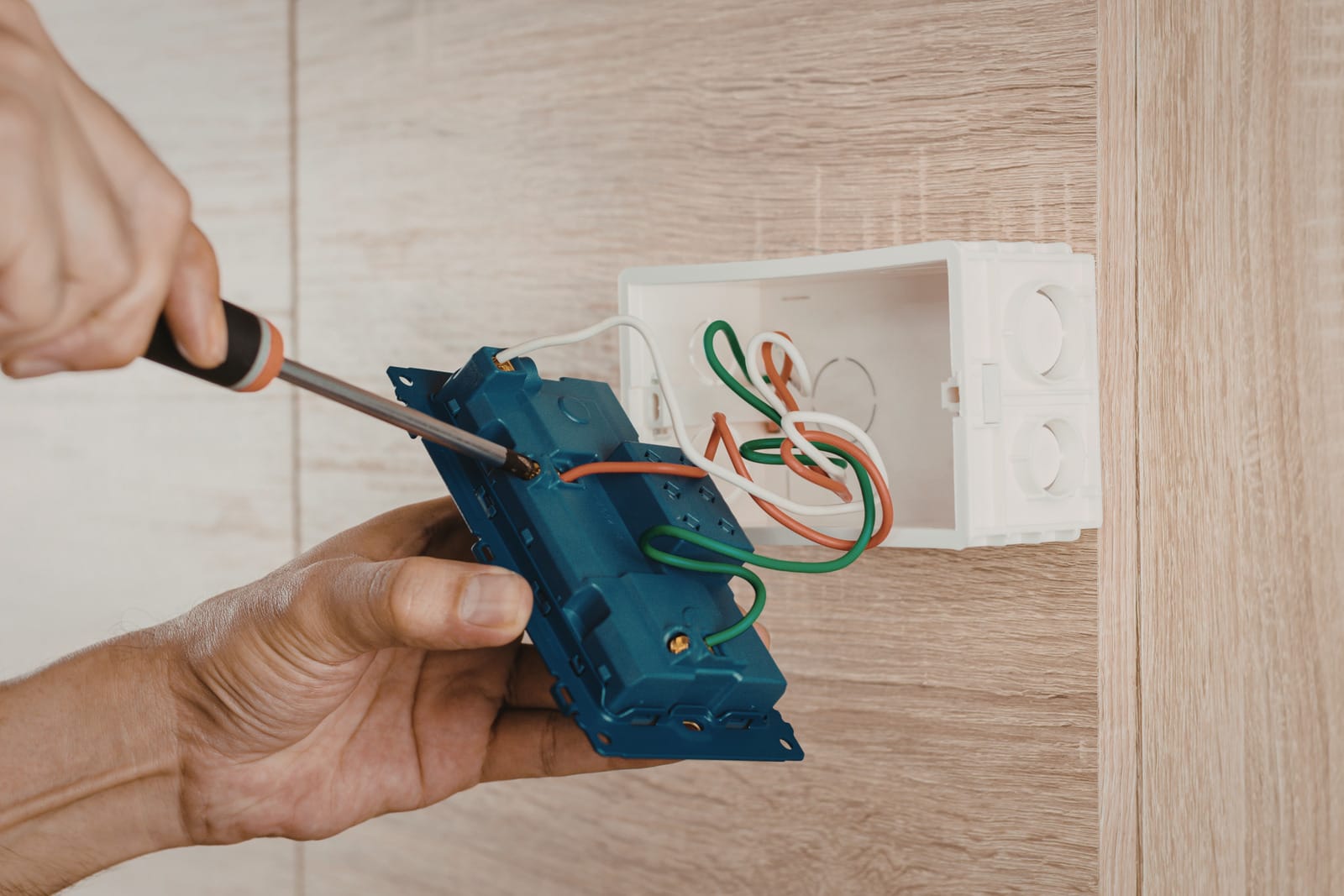

Smart home automation has changed how people interact with their homes, making them more connected, efficient, and easier to manage. From lighting and security to entertainment and temperature control, home systems are getting smarter. With the right setup, you can adjust your home’s settings right from your phone or tablet without having to be in the room or even at home. That convenience goes a long way when the outside temperatures in Ottawa start to swing between harsh winters and unpredictable fall or spring days.
Temperature control is one of the most useful parts of smart home integration, especially for those living in a place that sees rough weather for a good portion of the year. Ottawa’s winters can be long and chilly. Rather than constantly fiddling with your thermostat or worrying about wasting energy, a smart setup gives you more control. It keeps your home comfortable, helps avoid inconsistent heating or cooling, and can even lower how hard your HVAC system works day in and day out.
Understanding Smart Thermostats
Smart thermostats take the guesswork out of keeping your home’s temperature where you want it. These devices go beyond the basic settings of traditional thermostats. They connect to your Wi-Fi and are often controlled through apps on your phone or computer. That means you’re able to make real-time adjustments whether you’re across the room or out of town.
One of the most useful features of smart thermostats is that they learn your habits over time. For example, if you usually leave for work at 8 a.m. and return around 5 p.m., the thermostat can adjust heating or cooling on its own based on that routine. That way, your house isn’t using energy when no one’s home, and it’s already ideal by the time you walk through the door.
Here are some other ways smart thermostats make life easier:
– Remote access lets you control temperature from anywhere
– Custom schedules for mornings, evenings, or weekends
– Energy reporting shows usage patterns to help reduce waste
– Voice control through assistants like Alexa or Google
Say you’re coming home early because the weather turned colder than expected. Instead of walking into a chilly house and waiting for it to heat up, you can open the app and bump up the temperature before you head home.
Smart thermostats are also a good step toward building a fully integrated smart home. They work well on their own but shine even more when connected with other systems like smart lights, blinds, cameras, or HVAC units. That leads straight into the next piece, how smart HVAC systems take things further.
Integrating Smart HVAC Systems
When your HVAC system integrates with your smart thermostat, you get more than just zone-by-zone control. You get a more consistent and efficient way to manage your home’s indoor temperature. These systems allow you to automate, schedule, and monitor heating and cooling with better precision.
A smart HVAC setup pairs well with modern thermostats because it gives the system more flexibility. If a cold snap hits Ottawa unexpectedly, which locals know happens often, a smart HVAC system can react quickly. Settings can adjust automatically based on weather updates, indoor activity, or feedback from devices around the house.
Here’s what happens when the HVAC system works with other smart tools:
– Sensors detect temperature per room and communicate with the thermostat
– HVAC shifts effort to where it’s needed most
– Smart vents open or close to direct airflow better
– Thermostat reacts based on time of day, occupancy, or learned habits
Older models usually run at full speed no matter what. Smart systems do the opposite. They adjust to conditions in real time, working just enough to do the job without wasting energy or constantly running.
This makes a big difference in comfort and cost. No more hot rooms locked upstairs or freezing living rooms with windows sealed tight. It all works together to keep the temperature even, without having to constantly adjust settings.
Benefits of Zoning Systems
Zoning systems break your home into different sections that can each be heated or cooled separately. Instead of heating the entire house to the same temperature, zoning lets you control individual areas. For larger spaces or multi-level homes, this can make a big difference, especially through Ottawa’s long winters when different parts of the house tend to warm up at different rates.
Each zone has its own thermostat and can be programmed based on how and when the space is used. For example, bedrooms stay cooler during the day, while living rooms stay warm when they’re most used. This control adds comfort and avoids the need to compromise on one setting for the entire home.
Here’s how zoning improves smart home setups:
– Saves energy by not heating or cooling unused spaces
– Offers more control across floors and zones
– Cuts down hot and cold spots due to poor airflow
– Makes shared homes more comfortable for different schedules
If you’ve ever had a blanket upstairs and an open window downstairs at the same time, zoning helps fix that. When combined with smart thermostats and smart vents, everything balances out automatically. It reacts in real time so changes around the house don’t throw off the whole system.
Zoning can be installed during new builds, during HVAC replacements, or even upgraded into existing setups. The changes run in the background. All you’ll notice is that your home just feels right, whether it’s eight below or one of those surprise warm weather days in February.
Enhancing Indoor Climate with Smart Sensors
Smart sensors add another level of detail to your temperature control system. They collect readings around your house and send that information back to your smart system. From there, adjustments are made to match what the space needs, not just what one thermostat says.
Smart thermostats usually come with a built-in sensor or two, but placing extra sensors throughout the home gives you more precise data. A hallway thermostat might read 21°C, but a sunny upstairs room or a basement might feel way off. Sensors in those zones balance temperatures more accurately.
Why sensors matter:
– They provide real-time input on temperature, humidity, and even air quality
– Alerts let you know if rooms are too hot or too cold
– Devices learn your usage patterns, improving over time
– Occupancy sensors help avoid running systems when no one’s home
Here’s an example. Your kitchen fills up with heat every time the oven runs for a couple of hours. A sensor can catch that rise in temperature and cut the heating in that part of the house without affecting anywhere else. It all happens quietly in the background, so you stay comfortable without even noticing a shift.
These sensors also work with other tools in the house. If the sunlight through a window starts warming the bedroom too much, motorized blinds could lower automatically. If someone opens a door on a winter afternoon, the system compensates. That kind of close-up control keeps the temperature where it should be, all without pulling out your phone every few hours to make changes.
Your Home, Set to Your Comfort
Smart home temperature systems bring together reliability, ease, and control. They’re especially helpful through Ottawa’s cold months, where keeping warm without overspending can be a challenge. Between zoning, sensors, smart HVAC setups, and a thermostat that understands your schedule, comfort comes built in.
The beauty is how smoothly it runs behind the scenes. You get to enjoy all the benefits without constantly adjusting settings or trying to guess what works best. With the right systems installed and working together, your home stays comfortable no matter what the weather is doing outside.
To make life even easier and keep your Ottawa home comfortable year-round, consider integrating smart home automation into your setup. Astra Energy Ltd creates personalized solutions that help every part of your home work together smoothly, so you can relax no matter what the weather brings.