
Winters in Ottawa bring long nights, thick snow, and freezing temperatures that push home electrical systems to work harder than usual. Whether it’s heaters running overtime, extra lighting indoors and out, or more time spent inside using appliances, the load on your home’s electrical setup can grow quickly once the cold sets in. When systems are already aging or poorly maintained, that spike in usage can increase the chance of electrical issues ranging from flickering lights to power outages or, worse, household fires.
Taking a few simple steps to stay on top of electrical safety can go a long way in keeping your home warm and secure through December and beyond. Knowing how your system behaves under pressure and checking for early warning signs isn’t just helpful, it’s smart. Winter is a season where routine habits can either protect your home or quietly wear down its systems. A little attention now can prevent big problems when it’s minus twenty and your furnace suddenly shuts off.
Inspecting and Maintaining Your Electrical System
Cold weather doesn’t just make life outside a little harder. It also puts more pressure on your home’s electrical system. That can mean more wear on circuits, more strain on outlets, and more risk if things haven’t been checked in a while. Regular electrical maintenance isn’t just a once-a-year task. It’s something every homeowner should prioritize, especially ahead of or during an Ottawa winter.
When doing a walk-through of your home, keep your eyes out for small signs that might point to bigger issues:
– Outlets that feel warm to the touch
– Lights that flicker or dim when large appliances turn on
– Breakers that trip without clear reason
– Extension cords being used as long-term solutions
– Buzzing sounds from behind walls or near your panel
If you’re seeing any of these signs, your system could be overloaded or showing signs of damage. And keep in mind, older homes might have outdated panels or insufficient wiring that just wasn’t made for today’s electric demands. A home built decades ago probably wasn’t designed for the number of devices we plug in today.
Inspections should include core systems like the breaker panel, all outlets, major appliances, and any exposed wiring, especially in basements or garages. Adding in power strips or sharing outlets between too many devices can also create a higher risk for shorts or fires.
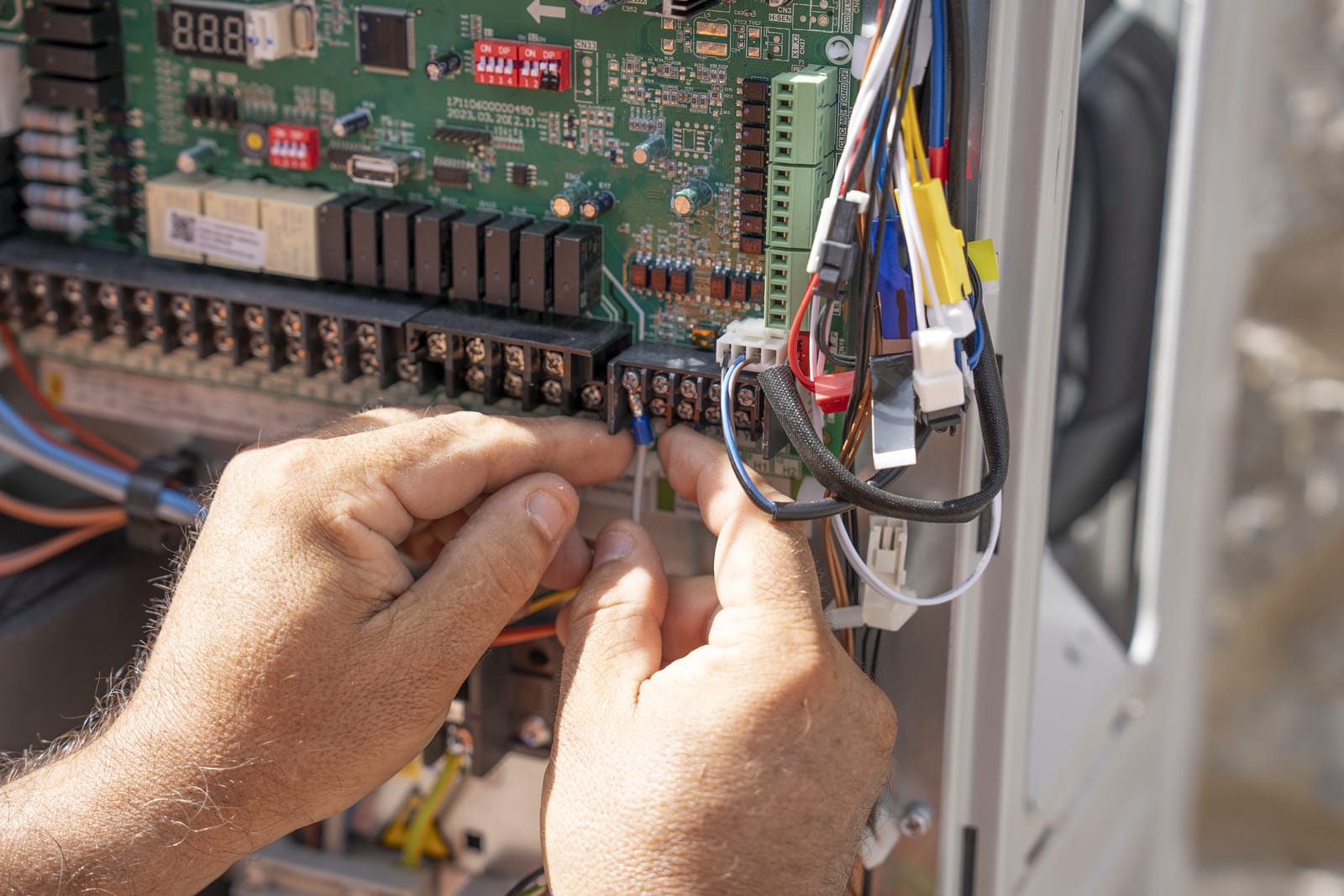
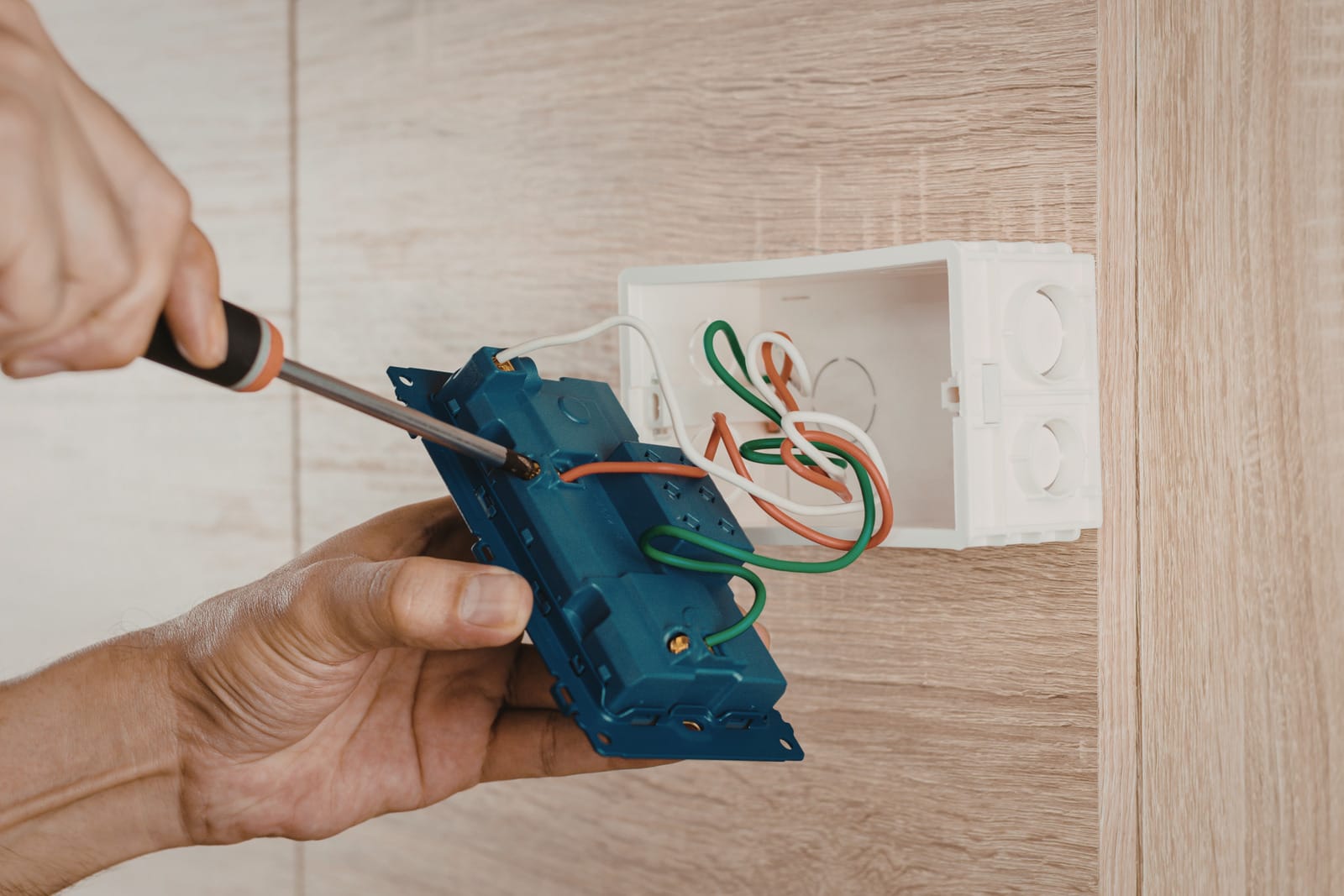
Hiring a licensed electrician makes a real difference when you want peace of mind. They have the tools and knowledge to spot what others might miss and to test areas of your system you can’t safely inspect yourself. Winter is no time to second-guess why your lights are flickering. Having someone verify if your system is up to the task gives clarity and helps tackle problems before they become emergencies. Regular checkups create a safer foundation for everything else connected to your home’s energy usage.
Safe Use of Space Heaters and Electric Blankets
Some winter nights are cold enough that people turn to quick sources of heat like space heaters and electric blankets to stay comfortable. These tools can be helpful, but they also need to be used safely. If left on too long or handled carelessly, they can easily become fire risks, especially in homes with older wiring or limited outlet availability.
Here are some safety tips to follow when using space heaters or electric blankets:
1. Only use heaters that have automatic shut-off features in case they tip over
2. Keep heaters at least one metre away from curtains, furniture, or bedding
3. Never plug heaters or blankets into extension cords or power bars. Use a wall outlet directly
4. Unplug these items when you’re not in the room and always before going to sleep
5. Avoid running cords under rugs or furniture, where overheating can start without warning
6. Check for visible damage in the cord, plug, or controls before use. If anything looks or feels off, stop using it right away
Electric blankets, while cosy, stay warm by running current through tiny wires inside the fabric. Over time, those wires can break or wear out. If you’ve had a blanket for several seasons, inspect it for any uneven warmth or signs of wear.
One example we’ve seen is people leaving space heaters running near drying laundry or holiday decorations. It’s an easy habit to overlook, but those materials can catch fire quickly. A little heat in the wrong place can lead to serious damage faster than most people think.
If you’re unsure about how much load your heater puts on your circuit or wonder if your outlets are handling more than they should, speak with an electrician. Using these devices properly can make a big difference in how safe and warm your home stays all season.
Protecting Outdoor Electrical Components
Ottawa’s winters don’t hold back when it comes to ice, snow, and freezing rain. That kind of weather can put strain on your outdoor electrical equipment if you don’t stay ahead of it. Your plugs, lights, and extension cords outside all take a hit once snow builds up or temperatures crash. That’s why it’s worth checking those fixtures before winter sets in and again during use.
Start by looking at outdoor outlets. These need to be protected with weather-resistant covers that shield them from snow and slush. If the covers are cracked or missing, moisture can get in. That can trip your circuit or, worse, create a risk of electrical shock. Outlet covers should fully close even when something is plugged in. If they don’t, get them switched out.
Extension cords are another common problem. A lot of people use indoor cords outside for temporary setups like holiday lights or tools in the yard. But those cords aren’t made to handle the cold or wet. Instead, pick cords that are rated for outdoor use and labelled as heavy-duty. Check for signs of wear like cracking, fraying, or melted insulation.
Other items to check:
– Make sure light fixtures mounted outdoors are tight and not letting water seep in around the edges
– Inspect exterior power boxes and panels, especially if they’re near grade level and might sit in snow or slush
– Avoid running cords where snow blowers or shovels could damage them while clearing paths
If you’ve put up seasonal decorations, check them regularly. Ice can build up around plugs and wires, pulling them loose or exposing bare wire. One example we’ve seen is string lights sagging under snow, pulling their clips loose and leaving wires tangled and exposed. That sets up a dangerous mix of metal, moisture, and electricity.
Winter weather changes quickly in Ottawa, so outdoor equipment needs regular attention. Protecting these items doesn’t take long and helps your system keep working safely through the coldest weeks.
Generator Safety Tips
Generators can be a huge help when Ottawa’s power goes out during a winter storm. They keep the lights on, the fridge running, and your furnace powered until the grid comes back online. But just like any powerful tool, they need to be used safely to do their job without creating new dangers.
Here are a few safety basics worth going over:
– Never run a generator indoors, inside a garage, or near open windows. It needs to stay outside. Carbon monoxide can build up fast and it’s deadly
– Keep it at least three metres from doors, windows, and vents
– Let it cool completely before refuelling. Fuel can ignite if the engine’s still hot
– Use proper extension cords rated for outdoor and generator use
– Store fuel in metal or plastic containers that are clearly marked for gasoline and kept away from your living space
Your generator should also match the load you expect to draw. Plugging in too many major appliances at once can overload it and knock everything out. If you’re unsure about what your generator can handle, checking with an expert is the safer move.
Maintenance matters too. Like any other engine, your generator needs regular checkups. Old gas, dirty filters, or damaged spark plugs can all stop it cold when you need it most. Do a test run every few months and after any major weather events where it might’ve been exposed.
Before connecting your generator directly to your home’s electrical system, a licensed electrician needs to install a transfer switch. This allows safe switchover from the grid to generator power. Plugging it into a regular wall outlet or backfeeding can be dangerous for everyone in your home and line workers down the street.
Having a generator ready is a smart move in winter, but it only helps if it’s set up and used the right way. Keep it clean, keep it dry, and keep the fuel fresh.
Staying Warm and Safe with Astra Energy Ltd
Winter brings enough challenges without throwing electrical problems into the mix. From overloaded space heaters to frozen wires outside, it doesn’t take much for small issues to grow fast. Staying safe starts with paying attention to how your system holds up under pressure and stepping in early if something feels off.
Whether it’s a heater pulling too much power, outlet covers cracked from the cold, or a generator waiting to be set up, every part of your electrical system should be ready for the season. The trick is staying one step ahead instead of waiting until something fails.
With a few routine checks and professional help where needed, your home can stay warm long after the first snow hits. Cold or not, safety should always come first. If you’re unsure about anything electrical this winter, don’t guess. Ask Astra Energy Ltd. Making smart choices now is the best way to avoid problems when staying warm matters most.
If keeping your home’s electrical system safe and efficient during Ottawa’s chilly months feels overwhelming, Astra Energy Ltd has you covered. Explore more about how electrical maintenance can protect your home. Whether you need to inspect your circuits or upgrade your setup, our team has the skills and tools to handle it all. Reach out to us and discover how our services can make winter a little easier.