Old wiring doesn’t announce itself. No warning bell. No flashing light. Just a slow build-up of small signs most homeowners write off as nothing, until they’re not nothing anymore. Aluminium wiring replacement isn’t a topic that comes up at dinner parties, but for anyone living in an Ottawa home built between the mid-1960s and mid-1970s, it’s worth understanding. That’s when aluminum wiring was common, cheaper than copper at the time, and installed in thousands of homes across the region. Decades later, a lot of that wiring is still there. Quietly aging. Quietly becoming a problem. This post walks through seven signs that usually mean it’s time to take a closer look. Some are obvious. Some aren’t. All of them matter.
A Quick Bit of Background
Aluminum wiring expands and contracts more than copper does. Heats up, cools down, expands, contracts over and over, year after year. That movement loosens connections at outlets, switches, and junction boxes. Loose connections create resistance. Resistance creates heat. Heat, left unchecked, creates fire risk. That’s the short version of why this matters.
Not every aluminum-wired home is a ticking time bomb, to be clear. Plenty have gone decades without incident. But the risk profile is different enough from copper that most electricians recommend at least an inspection, if not a full home rewiring services plan, for anyone unsure what’s behind their walls.
Sign #1: Warm or Discolored Outlet Covers
Touch an outlet cover. If it’s warm, not hot, just warm, that’s worth noting. Discoloration too. A faint brown or yellow tint around the outlet plate often means heat has been building up behind it for a while. Not always aluminum wiring specifically. But it’s one of the more common culprits. Truth be told, most homeowners never touch their outlet covers. Why would they? It’s not exactly a habit. But it takes ten seconds, and it’s one of the cheapest ways to catch a problem early.
Sign #2: Flickering Lights With No Obvious Cause
Lights flicker sometimes. A storm, a bad bulb, an old fixture. Normal stuff. But flickering that happens regularly, across multiple rooms, with no clear trigger? That’s different. That pattern often points to loose connections somewhere in the system exactly the kind of thing aluminum wiring is prone to over time. An electrical safety inspection can usually pinpoint whether it’s a wiring issue or something simpler. Worth ruling out either way.
Sign #3: A Persistent Burning Smell Near Outlets or Switches
This one’s not subtle. A faint, acrid smell near an outlet or switch plate sometimes described as “hot plastic” or “burning dust” usually means something’s overheating behind the wall. It doesn’t always mean a fire is imminent. But it does mean something’s wrong, and it shouldn’t wait. Let’s face it, most people ignore small smells until they become big problems. This is one situation where that instinct works against you.
Sign #4: Buzzing or Crackling Sounds From Switches and Outlets
A faint buzz from a light switch. A crackling sound near an outlet. Easy to dismiss. Easy to assume it’s nothing. But sound, like smell, is often the first clue that a connection has loosened and arcing has started. Small-scale arcing doesn’t always escalate quickly but it doesn’t fix itself either.
Sign #5: Frequent Tripped Breakers or Blown Fuses
One tripped breaker now and then? Normal. A breaker that trips constantly, especially without an obvious overload cause, suggests something deeper. Could be the panel. Could be the wiring. Either way, it’s a pattern worth investigating rather than just resetting and moving on. This is also where electrical code compliance comes into the conversation. Older aluminum-wired homes often fall short of current code, not because anything was done wrong originally, but because standards have changed significantly since installation.
Sign #6: Visible Aluminum Wiring or a Home Built in the Right Era
Sometimes the sign isn’t a symptom, it’s just the age and type of the home itself. Homes built roughly between 1965 and 1975 across Ottawa and the wider region are the most likely candidates for original aluminum branch circuit wiring. If a panel or attic inspection reveals dull, silvery wiring rather than the reddish-orange of copper, that’s confirmation right there. Even with no symptoms at all, that alone is reason enough to bring in an electrician for a closer look. Some homeowners wait for problems to show up. Others get ahead of it. The second group tends to sleep better.
Sign #7: Past Repairs That Were Never Properly Addressed
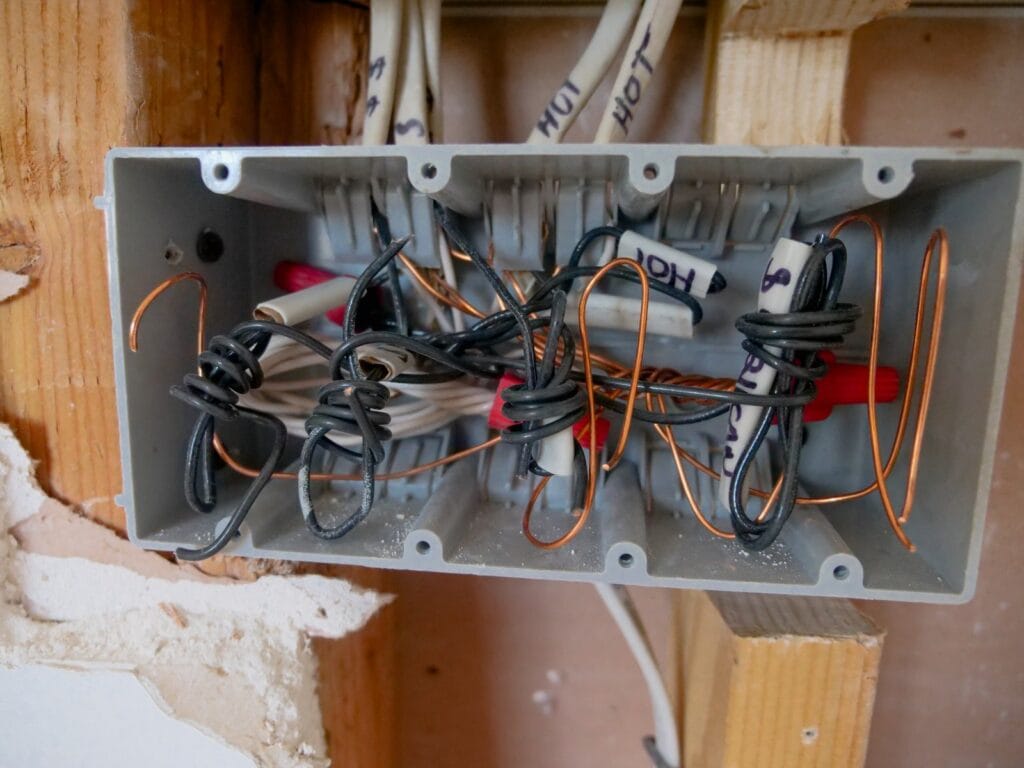
A lot of aluminum-wired homes have a patchwork history. A previous owner pigtailed a few connections. A handyman did a quick fix at some point. None of it documented, none of it necessarily done to code. If there’s any uncertainty about what’s actually behind the walls, that uncertainty itself is a sign worth acting on. Aluminum wiring repair done piecemeal, over years, by different people, tends to create more inconsistency than safety. A full assessment usually reveals gaps nobody knew existed.
Why Replacement Often Makes More Sense Than Repair
Repairs can work. Pigtailing connections with copper-rated connectors, for instance, is a recognized method and can address some of the risk. But it’s a patch, not a solution. It treats individual connections without addressing the underlying issue of aluminum wiring’s tendency to loosen over time, throughout the entire system.
Electrical upgrades Ottawa homeowners pursue often start as a single repair and end up expanding once an electrician sees the full scope of what’s behind the walls. That’s not an upsell. That’s usually just what gets discovered once someone actually looks. Full replacement costs more upfront. No way around that. But it resolves the issue at the source rather than managing it indefinitely, connection by connection, repair by repair.
What an Inspection Actually Involves
A proper electrical safety inspection typically starts at the panel, checking for aluminum wiring, signs of overheating, and outdated breakers. From there, an electrician usually checks outlets and switches throughout the home, looking for discoloration, loose connections, or non-rated repairs. Attics and basements often reveal exposed wiring that confirms or rules out aluminum branch circuits entirely. It’s not an invasive process. Usually a few hours, depending on home size. And it answers the one question most homeowners actually want answered: is this safe, or does it need attention?
Frequently Asked Questions
How do I know if my home has aluminum wiring?
Check the home's build date. First aluminum wiring was most common between 1965 and 1975. Beyond that, an electrician can confirm it by checking the panel and visible wiring in the attic or basement. Dull, silver-colored wire usually indicates aluminum rather than copper.
Is aluminum wiring dangerous?
Not automatically, but it carries higher fire risk than copper due to how it expands, contracts, and loosens connections over time. Loose connections generate heat, and heat is the real danger. An inspection determines actual risk level rather than assuming every aluminum-wired home is hazardous.
How much does aluminum wiring replacement cost?
Cost varies widely based on home size, accessibility, and scope of work; partial repairs cost less than a full rewire. Most homeowners should expect a meaningful investment for whole-home replacement, but pricing depends heavily on the specific property. A detailed quote from a licensed electrician gives the clearest picture.
Should aluminum wiring be repaired or replaced?
It depends on the home's condition and budget. Pigtailing repairs can reduce risk at individual connections, but full replacement addresses the issue throughout the system rather than connection by connection. Many electricians recommend replacement for long-term safety and easier resale down the road.