Power goes out and suddenly everything that runs on electricity, which is most things, stops. Refrigerator warming up. The sump pump was not running during the storm that caused the outage in the first place. Medical equipment that needs power. Heat system that requires electricity even if the fuel is gas. For a few hours this is an inconvenience. For longer outages it becomes a genuine problem.
A home generator installation solves this in a way that candles and hoping for the best doesn’t. But generator installation involves more decisions and more components than most people realize before they start looking into it. Generator size, fuel type, placement, transfer switch, permits, ongoing maintenance, all of it matters for whether the system actually works when needed and keeps working reliably for years.
This post covers what actually goes into home generator installation, what decisions need to be made before anything gets purchased, and what the process looks like from start to finish.
Why Backup Power Matters More Than It Used to
This isn’t just about comfort, though comfort is a legitimate consideration. Modern homes depend on electricity in ways that weren’t true decades ago. Smart home systems, internet infrastructure, medical devices, electric vehicles that need charging, all of this has raised the stakes of losing power in ways that made a generator a luxury item but now make it a reasonable practical consideration for a broader range of households.
Ottawa’s weather creates specific power vulnerability. Ice storms that take down lines and leave outages lasting days. Summer thunderstorms that cause local outages. The further from a major urban centre a property is, the longer outages tend to last because restoration priority follows population density.
For properties with sump pumps specifically, a power outage during the storm that caused the outage creates a basement flooding situation that’s both destructive and expensive. A generator system that keeps the sump pump running during an outage prevents exactly this combination.
Types of Generators: Understanding What’s Available
Two main categories worth understanding before any other decisions get made.
Portable generators are wheeled units that run on gasoline, propane, or sometimes dual fuel. They need to be manually started, positioned outside away from the home because of carbon monoxide exhaust, and connected to whatever needs power through extension cords or a manual transfer switch. They work and they’re considerably less expensive than standby generators. They also require someone to be there to set them up, require manual refueling, and have capacity limitations.
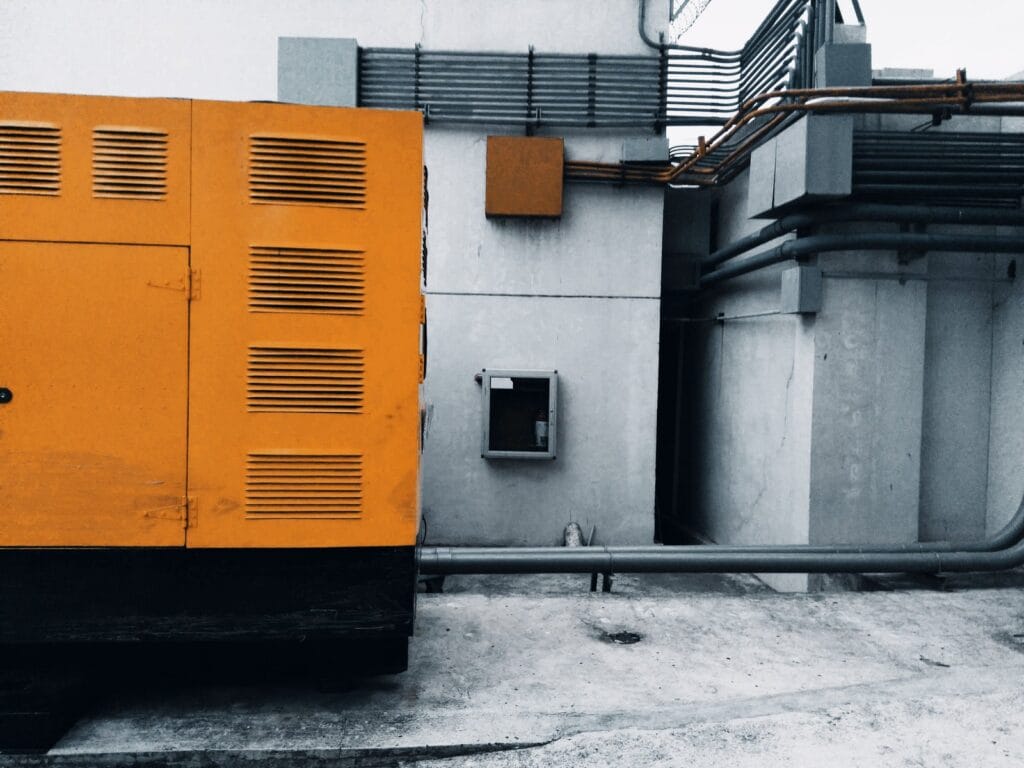
Standby generators are permanently installed units connected to the home’s electrical system and to a fuel supply, typically natural gas or propane. They start automatically when utility power fails, usually within seconds. They run indefinitely as long as the fuel supply continues. They require no manual intervention during an outage.
The generator installation complexity and cost differs significantly between these options. Portable generators with a transfer switch require less installation than a full standby system but offer fewer capabilities and require more management during an outage. Standby systems are more expensive and more involved to install but are genuinely automatic.
Sizing: The Most Important Decision
Getting the size right is where a lot of generator situations go wrong, both by undersizing and by oversizing.
An undersized generator can’t run everything the household needs during an outage. More than that, running an undersized generator at or above its rated capacity consistently damages it and shortens its lifespan.
An oversized generator runs inefficiently at low loads, which is a particular issue with diesel generators, wastes fuel, and costs more upfront than was necessary for the actual need.
Sizing starts with understanding what the generator system needs to power. Everything in the house, called whole-home backup, requires a significantly larger generator than a partial-home backup that covers essential circuits only. Essential circuits typically include the refrigerator, some lighting, the sump pump, heat system components, and whatever is genuinely critical for the specific household.
A licensed electrician doing generator installation calculates the load requirements based on the specific circuits to be backed up, accounting for starting loads of motors like the refrigerator compressor and sump pump which draw more power at startup than during running. This calculation determines what size generator is actually needed rather than guessing.
Fuel Considerations
Portable generators typically run on gasoline, which is convenient until an extended outage makes fuel unavailable. Gas stations that depend on electricity can’t pump fuel during widespread power outages. Having stored fuel addresses this for some period but stored gasoline degrades and requires treatment for longer storage.
Propane-fueled portables and standby generators can draw from a propane tank on the property. Tank size determines how long the generator can run without refueling.
Natural gas standby generators connect to the municipal natural gas supply, which typically remains operational during power outages because it runs on a separate infrastructure. This is the fuel choice that allows genuinely extended automatic operation without refueling concerns. The limitation is that natural gas service isn’t available at all properties.
For rural properties without natural gas, propane standby generators with appropriately sized tanks are the equivalent solution.
Transfer Switch: The Critical Safety Component
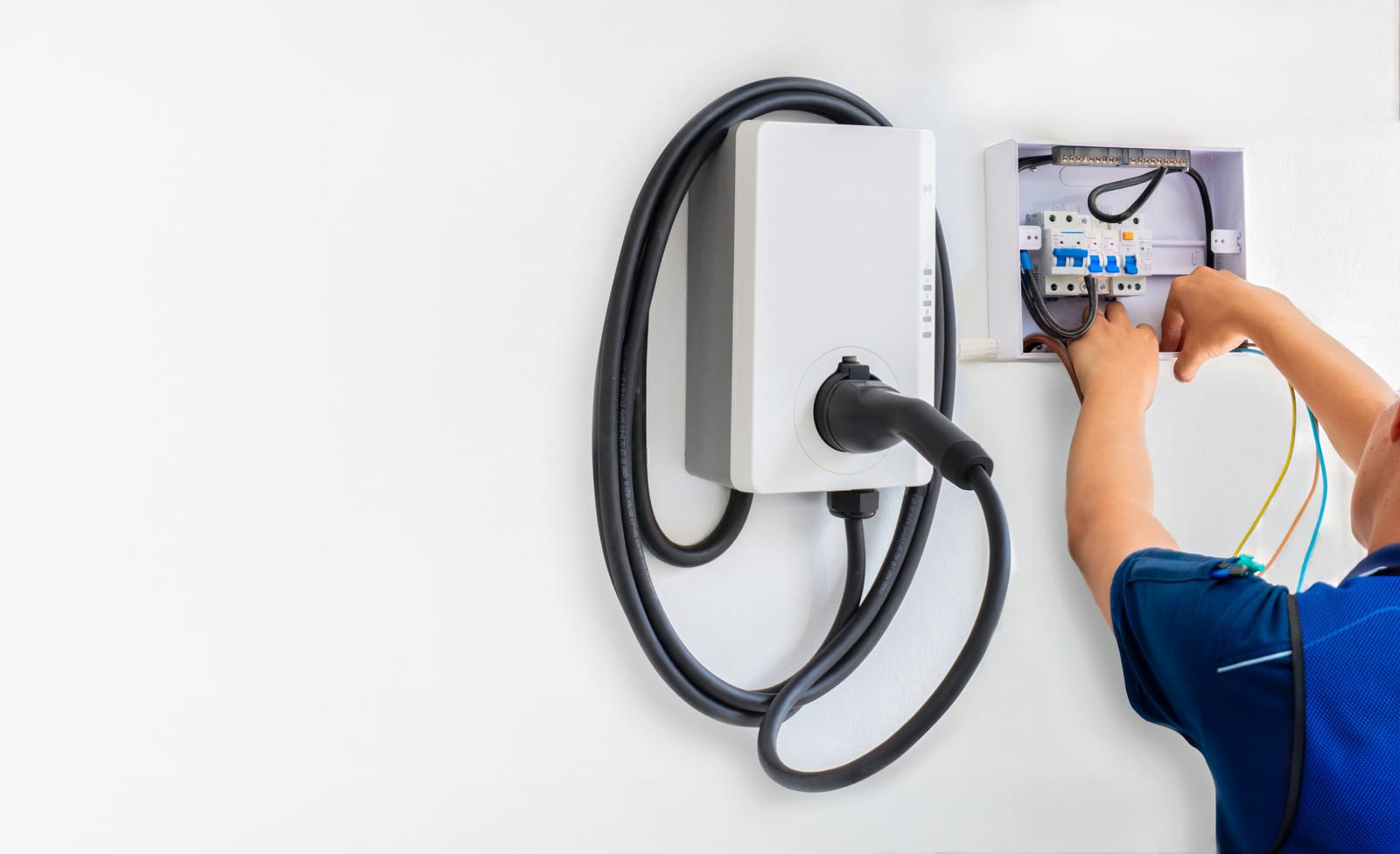
The transfer switch is what makes home generator installation safe to use. This is the component that isn’t optional.
When a generator is connected to a home’s electrical system without a transfer switch, electricity from the generator can flow backward through the meter and out onto utility lines. This creates an electrocution hazard for utility workers trying to restore power who don’t know a generator is energizing lines they expect to be dead. It’s called backfeeding and it’s genuinely dangerous.
A transfer switch disconnects the home from the utility grid before connecting to the generator, preventing backfeeding. Automatic transfer switches do this automatically when utility power fails and when it returns. Manual transfer switches require someone to physically operate them.
In Ontario, transfer switch installation for generator systems requires an electrical permit and inspection. This is not a component to install without proper permitting and qualified electrical work.
The Installation Process
Home generator installation for a standby system involves multiple trades and several components.
Site selection for the generator unit itself. It needs to be positioned according to clearance requirements from windows, doors, and combustible materials. Local zoning may have requirements about proximity to property lines.
Electrical work to install the transfer switch, connect the generator to the panel, and ensure the system is properly grounded and meets Ontario Electrical Code requirements. This requires a licensed electrician and permits.
Gas or propane connection for fuel-fired standby generators requires a licensed gas technician. This is not electrical work and can’t be done by the same person unless they hold both qualifications.
A concrete or composite pad for the generator unit to sit on, properly level and stable.
The complete installation involves coordination between these different components and trades. A licensed electrician or generator specialist managing the project ensures the pieces come together correctly and that the required inspections happen.
Permits and Inspections in Ontario
Required. Not optional. Not something to skip to save time or money.
Electrical permits for the transfer switch and generator electrical connection. Gas permits for the fuel connection on gas-fired units.
The Electrical Safety Authority inspects the electrical components. The Technical Standards and Safety Authority oversees gas connections.
Unpermitted generator installations create the same problems as other unpermitted electrical work: safety issues, insurance complications, and disclosure requirements if the property sells.
Ongoing Maintenance of a Generator System
A generator that sits for months between power outages and then won’t start when needed is worse than no generator. Maintenance keeps the system ready.
Most standby generator manufacturers recommend annual professional service that includes oil change, spark plug inspection, battery check, and a load test. Many standby generators do automatic weekly self-tests that run the unit briefly to keep it exercised.
For portable generators, fuel management matters. Running the carburetor dry before storage, using treated fuel for stored gasoline, and regular run tests keep the unit functional.
The generator system is backup equipment that needs to be treated like backup equipment: maintained on a schedule even though it only gets called on occasionally.
Generator installation for a home is a meaningful investment that pays in peace of mind and in genuine protection during extended outages. Getting the sizing right, choosing the appropriate type and fuel for the situation, installing the transfer switch properly with permits and inspection, and maintaining the system afterward are what determine whether the investment actually delivers on what it’s supposed to do. Working with qualified professionals for the electrical and fuel connection components isn’t just a legal requirement in Ontario, it’s what makes the system safe and reliable when it’s actually needed.
Frequently Asked Questions
How much does home generator installation typically cost in Ontario?
Costs vary significantly based on generator type, size, fuel source, and installation complexity. Portable generator installations with a manual transfer switch cost considerably less than whole-home standby generator systems. Getting quotes from licensed electricians experienced in generator installation, with all components and permit costs included, gives the most accurate picture for a specific property and power backup requirement.
Does generator installation in Ontario require permits?
Yes, both the electrical components including the transfer switch and the gas connection for fuel-fired units require permits in Ontario. The Electrical Safety Authority inspects electrical work and the Technical Standards and Safety Authority oversees gas connections. A generator system installed without proper permits creates safety risks and the same insurance and resale complications as other unpermitted work.
What size generator does a typical home need for backup power?
It depends on what the generator system needs to power. Essential circuit backup covering refrigeration, sump pump, heating components, and some lighting requires a smaller generator than whole-home backup. A licensed electrician calculates the actual load requirements for the specific circuits to be covered, accounting for motor starting loads, to determine appropriate generator sizing rather than guessing at a number.
How often does a standby generator need maintenance?
Most standby generator manufacturers recommend annual professional service including oil change, spark plug inspection, battery check, and load test. Many units perform automatic weekly self-tests to keep the system exercised between actual outages. Following the manufacturer's maintenance schedule and using a qualified technician for annual service keeps a generator system reliable and ready when an outage actually occurs.