Most people don’t think about their home’s electrical system until something goes wrong. Breaker that keeps tripping. Outlet that stopped working. Lights that flicker for no obvious reason. The electrical system runs in the background, invisible, and gets attention only when it makes itself impossible to ignore.
The problem with that approach is that electrical issues don’t always announce themselves before they become serious. The Electrical Safety Authority of Ontario has consistently identified electrical failures as a leading cause of residential fires in the province, many involving conditions that regular inspection or earlier intervention would have caught. The electrical system that seems to be working fine can be developing problems that aren’t visible from the surface.
Electrical experts in Ottawa who work on residential systems do something more than fix obvious problems. They find the things that aren’t obvious yet, maintain what’s working, and handle the upgrades and additions that modern households increasingly need. This post covers what that actually looks like through the year and why it matters.
What Electrical Experts Actually Do That DIY Doesn’t
There’s a reason electrical work in Ontario requires a licensed electrician and permits for most significant projects. It’s not a bureaucratic inconvenience. It’s because the margin for error in electrical work is narrow and the consequences of getting it wrong are serious.
Unlicensed electrical work that hasn’t been permitted and inspected creates multiple problems. It’s a safety risk during and after work. It’s potentially a problem with home insurance, many insurers ask about unpermitted work during claims and may use it to complicate coverage. And it creates disclosure issues when the home is eventually sold.
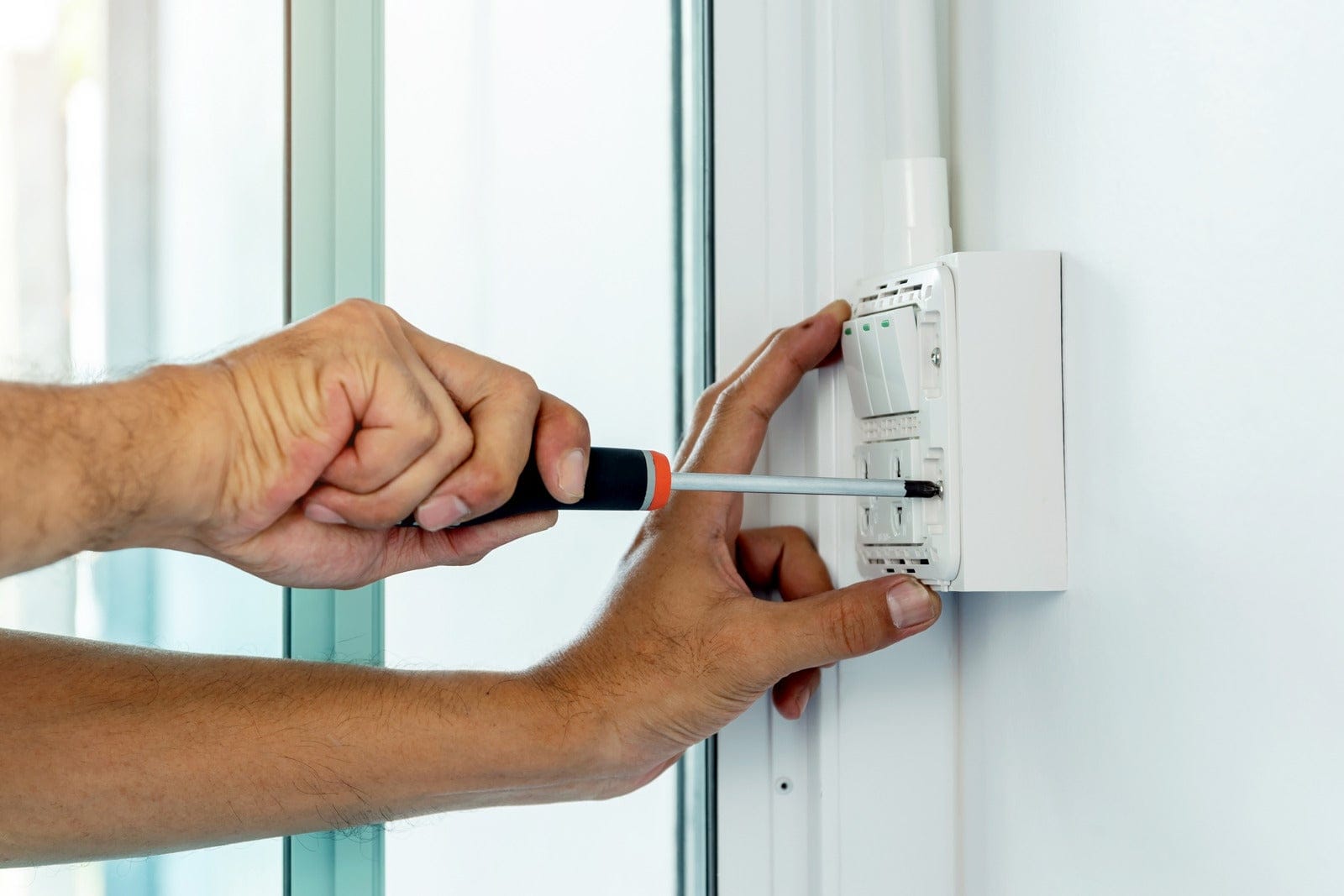
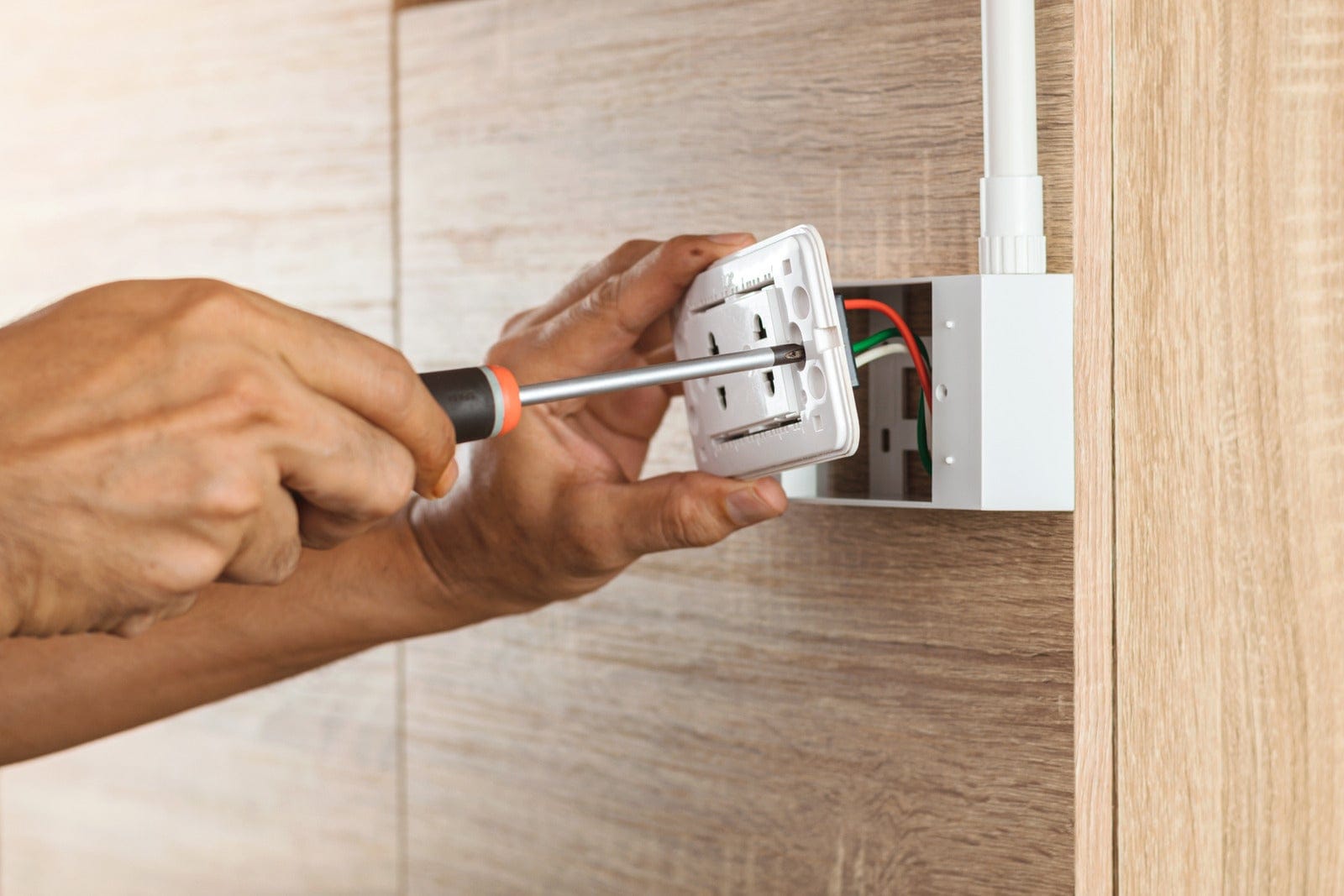
Licensed electricians in Ottawa carry the qualifications to do the work legally and correctly. They understand the current Ontario Electrical Code requirements, which update regularly. They pull the required permits and their work gets inspected by the Electrical Safety Authority. The homeowner ends up with work that’s both safe and properly documented.
The Spring and Summer Electrical Considerations
Ottawa’s warmer months bring specific electrical demands that residential electricians in Ottawa professionals see regularly.
The air conditioning load is the biggest one. Central air conditioning systems draw significant power, and a home’s electrical panel that was installed before central air became standard may not be properly configured for the demand. Panels that are already at or near capacity with existing loads can have issues when heavy air conditioning draw gets added to peak summer days. Breakers that trip when the AC kicks on, or circuits that run warm from the sustained load, are signs worth having assessed.
Outdoor living spaces that get used heavily in summer, decks and patios with lighting, outlets for outdoor appliances, and increasingly EV chargers in garages, all require properly installed outdoor-rated wiring and GFCI protection where moisture creates shock risk. A residential electrician in Ottawa installing outdoor circuits does this correctly. Outdoor electrical work done improperly is exposed to the elements in ways that interior work isn’t and the failure modes are correspondingly more serious.
Fall Preparation Before Ottawa Winters
Fall is when smart Ottawa homeowners get things assessed before the heating season starts and before the demand on electrical systems increases with shorter days, more interior lighting, and heating equipment running.
Electrical panel inspection is worth doing if it hasn’t happened recently. Checking breakers are functioning properly, connections are tight, and there are no signs of overheating or corrosion inside the panel. Panels in older Ottawa homes, particularly homes built before the 1980s, often warrant closer inspection because of the age of the equipment and the wiring methods of the era.
Smoke and carbon monoxide detectors, which connect to the electrical system in hardwired configurations, get tested before the heating season specifically because the risk from heating system issues is higher in the months the heating is running constantly.
Holiday lighting from late fall onward puts additional load on circuits in ways that should stay within safe parameters. Electrical experts in Ottawa who identify circuits that are already at capacity before the holiday season can address that before it becomes a problem.
Winter and the Specific Electrical Demands of Ottawa Cold
Ottawa winters put specific demands on home electrical systems that milder climates don’t deal with the same way.
Heating systems, whether electric baseboard, heat pumps, or the electrical components of gas furnaces, run for months at a stretch during Ottawa winters. The sustained load on electrical systems is considerably higher in winter than any other season. Any weakness in the electrical system, loose connections, aging breakers, circuits that were marginal to begin with, tends to show up under sustained winter load in ways that occasional use in other seasons might not reveal.
Pipe heating cables on exterior pipes or in unheated spaces, used to prevent freezing, require proper electrical installation to work safely. These aren’t items to plug into any available outlet. They need appropriately sized circuits that can handle sustained load without heat buildup.
The short days of Ottawa winters mean more hours of artificial lighting daily. Combined with holiday lighting from November onward and the heating load, winter electrical demand is simply higher than summer in most Ottawa homes.
The Specific Issues Older Ottawa Homes Face
Ottawa has a significant housing stock from the 1960s, 70s, and 80s. These homes were built with electrical systems designed around the demands of that era, which didn’t include the load that a modern household puts on a residential electrical system.
Aluminum wiring was used in many homes built in the late 1960s and early 1970s as copper prices spiked. Aluminum wiring itself can be managed safely, but it requires specific connections and devices that are compatible with it. Many aluminum wiring connections in Ottawa homes have had modifications over the decades that weren’t done with aluminum-compatible materials, creating connection points that are fire risks.
Knob and tube wiring in some of Ottawa’s older housing stock is past the point where it should be in service and is a specific concern from both safety and insurance perspectives.
Fuse boxes rather than circuit breakers are still present in some older Ottawa homes. Fuse boxes aren’t inherently dangerous but they create practical limitations and often indicate that the rest of the electrical system is similarly vintage.
Licensed electricians in Ottawa who assess older homes look at the full picture of what generation of electrical infrastructure is in place, what modifications have been done over the years and whether they were done correctly, and what the realistic safety and capacity situation is given what the house is being asked to do today versus what it was designed to do decades ago.
What Electrical Inspections Actually Cover
A proper electrical inspection from a residential electrician in Ottawa goes beyond checking whether the lights work.
Panel inspection checks breaker condition and function, connection integrity, panel labeling accuracy, and signs of overheating or moisture. Outlet and switch testing includes ground fault testing in locations requiring GFCI protection. Visible wiring inspection in accessible areas looks for damage, improper modifications, and signs of pest interference. Smoke and CO detector function testing. And identification of any immediate safety concerns versus longer-term upgrade recommendations.
The result of a proper inspection is an honest picture of what the electrical system looks like, what’s safe and functioning correctly, what should be monitored, and what should be addressed. Not a list of unnecessary work to sell.
When to Call Electrical Experts Immediately
Some situations are immediate calls rather than scheduled assessments.
Burning smell from an outlet, switch, or panel. Visible scorching or discolouration near electrical components. Breaker that trips repeatedly under normal load and won’t reset. Sparking from an outlet or switch. Complete loss of power to part of the house without a tripped breaker explaining it. Any of these is a call to electrical experts in Ottawa now rather than a note to get around to it.
Electrical problems that seem intermittent are worth taking seriously rather than waiting for them to become consistent. Intermittent issues often indicate a connection that’s failing under load or temperature, and the failure mode isn’t going to get better on its own.
The electrical system in an Ottawa home works year-round, but what it’s being asked to do shifts with the seasons. Spring and summer bring cooling load and outdoor electrical demands. Fall is the time to prepare before the heating season increases the demands on the system. Winter brings sustained heavy load that reveals weaknesses the rest of the year might not. Electrical experts in Ottawa who maintain, inspect, and upgrade residential electrical systems throughout the year keep the invisible infrastructure that runs everything else functioning safely through all of it.
Frequently Asked Questions
How often should an Ottawa home have its electrical system inspected?
Most electrical professionals recommend inspection every three to five years for typical residential properties, with more frequent attention for homes over thirty years old or those with known electrical issues. Ottawa homes from the 1960s, 70s, and 80s with original electrical systems benefit from more regular assessment given the age of the infrastructure and the increased demands modern households put on it.
What are the signs that an Ottawa home needs licensed electricians immediately?
Burning smell near electrical components, visible scorching around outlets or switches, breakers that trip repeatedly under normal load, sparking from any electrical fixture, or unexplained partial power loss are all situations requiring immediate contact with licensed electricians in Ottawa rather than scheduling for later. These signs indicate active electrical issues that pose fire or shock risk.
Why does older Ottawa housing stock have more electrical concerns than newer builds?
Homes built in the 1960s, 70s, and 80s were designed around significantly lower electrical demands than modern households require. Some contain aluminum wiring requiring specific compatible connections, knob and tube wiring past its safe service life, or panels with limited capacity. Residential electricians in Ottawa assessments on older homes evaluate the full picture of what infrastructure is in place and what the realistic safety situation is.
Is electrical work in Ottawa homes required to be permitted and inspected?
Yes, most significant electrical work in Ontario requires permits and inspection by the Electrical Safety Authority. Licensed electricians in Ottawa handle the permit process and their work gets independently inspected. Unpermitted electrical work creates safety risks, potential insurance complications, and disclosure requirements at resale that properly permitted work through qualified electrical experts in Ottawa avoids entirely.