Here’s a question worth asking: if your house was built in the late ’60s or early ’70s do you actually know what’s running inside your walls? Because there’s a decent chance it’s aluminum. And that’s a problem. Aluminum wiring replacement isn’t a nice-to-have. It’s one of those things that keeps getting pushed to the back burner until something goes wrong. This post gets into why aluminum wiring is risky, what electrical rewiring services actually look like on the ground, rough cost numbers, and when it makes sense to finally pull the trigger on fixing it. No padding, just the important stuff.
So What Even Is Aluminum Wiring and Why Does It Matter?
Copper got expensive in the mid-1960s. Really expensive. So builders started swapping it out for aluminum because aluminum was cheap and plentiful. Seemed like a perfectly reasonable trade-off at the time. The problem showed up later. Aluminum expands and contracts way more than copper when it heats up and cools down. Do that a few thousand times over a few decades and connections start to loosen. Loose connections cause arcing.
Arcing generates heat. Heat in your walls well, that’s a fire waiting for the right moment. The CPSC, the U.S. Consumer Product Safety Commission found that homes with aluminum wiring are 55 times more likely to reach fire hazard conditions than copper-wired homes. Fifty-five times. That’s not a small margin. Which is exactly why aluminum wiring safety has become such a sticking point for home inspectors and insurance companies. Some insurers won’t touch a home with aluminum wiring at all. Others will but they’ll charge a lot more for the privilege.
How to Tell If Your Home Has It
Sometimes it’s obvious. Sometimes it’s not. A few things to look for:
- Lights that flicker for no real reason
- Outlets or switch plates that feel warm
- A faint burning smell near the panel or outlets, this one is urgent
- Home built between roughly 1965 and 1973
- “AL” or “ALUM” printed on the wire insulation itself
- Circuit breakers tripping more than they should
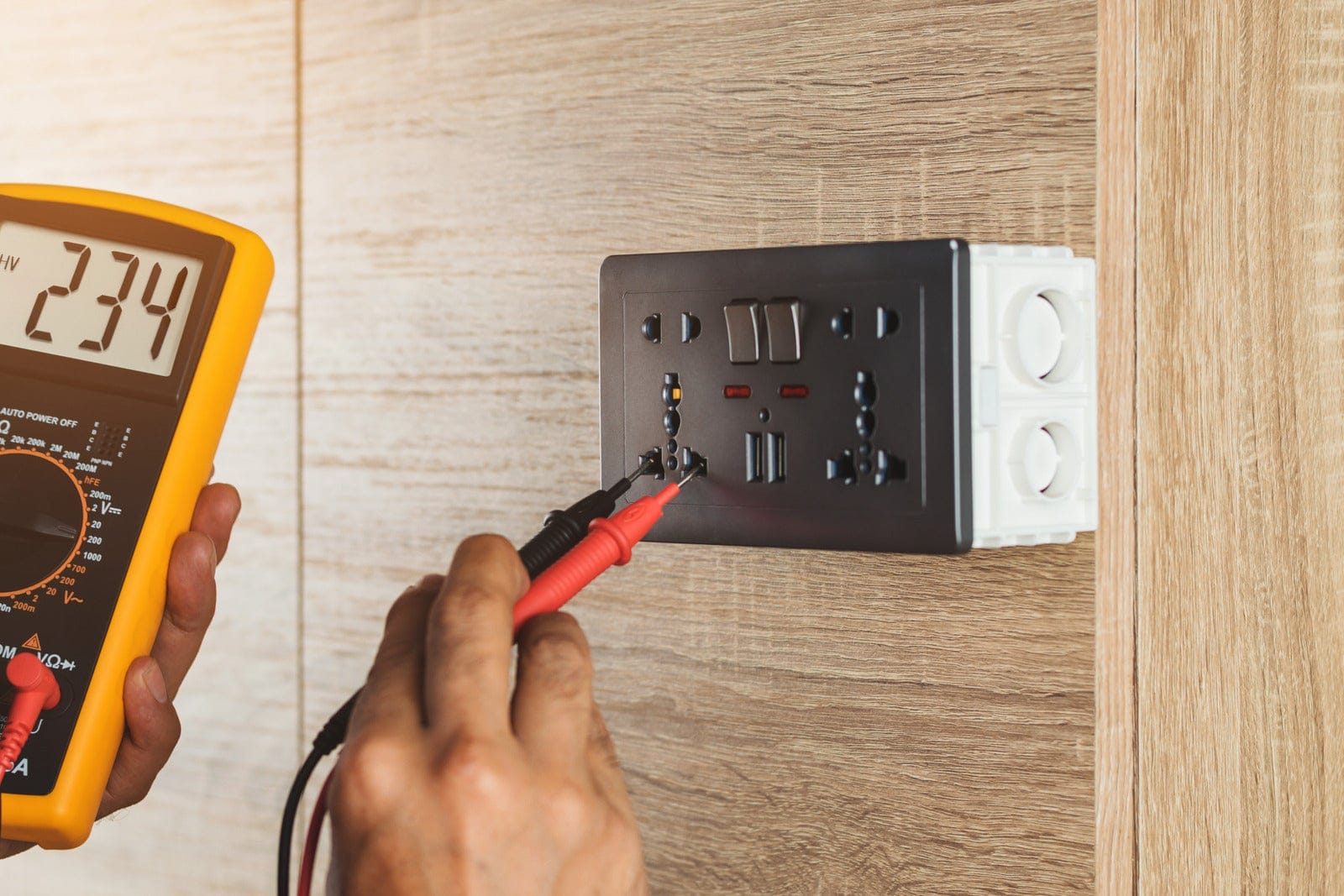
If two or more of those apply? Don’t guess. Get electrical inspection services booked. That’s the only way to know for sure what’s actually in there.
Full Replacement vs. Pigtailing: What’s the Difference?
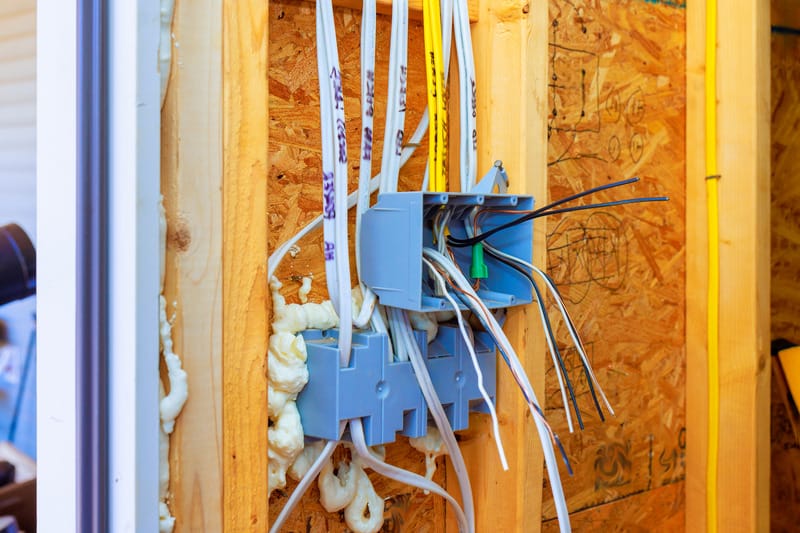
There are basically two routes electricians take with aluminum wiring. The first is a complete aluminum to copper wiring upgrade every aluminum circuit gets pulled and replaced with copper. It’s the most thorough fix. Nothing left to monitor, nothing left to worry about. The second option is pigtailing.
Short copper extensions get spliced onto the ends of the aluminum wires using CO/ALR-rated connectors. Less disruptive, less expensive. But it’s not a permanent fix; it needs to be checked periodically to make sure those connections haven’t loosened up again. Honestly? For most homeowners, a full old wiring replacement is the right call. Especially if the goal is to sell the home, refinance, or just stop thinking about it. Pigtailing works, but it’s more of a managed risk than a solved problem.
What Actually Happens During the Replacement
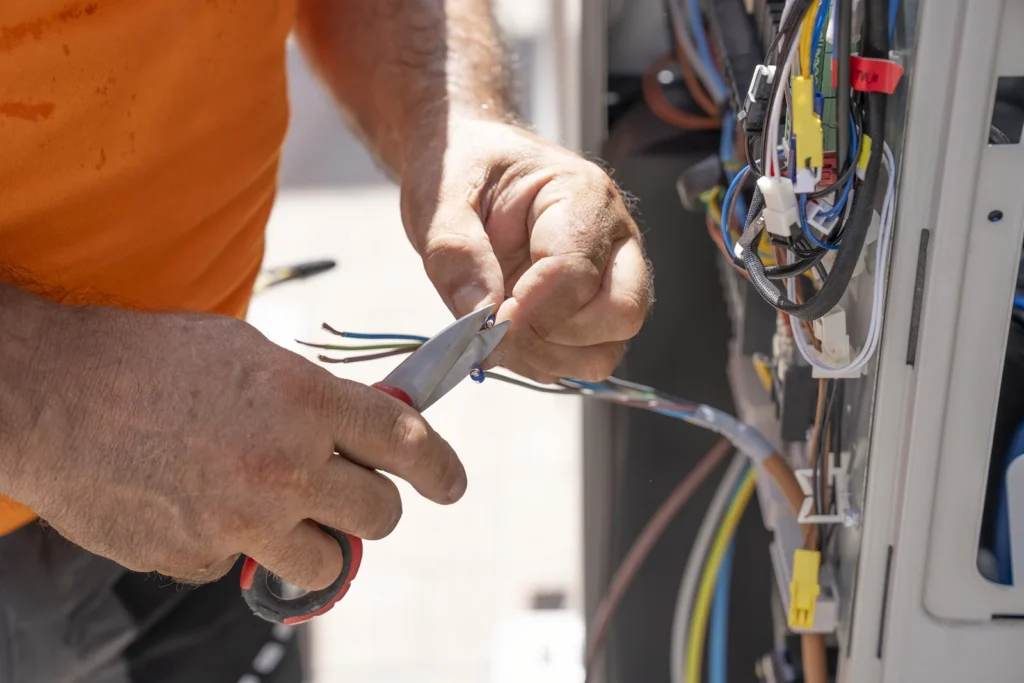
People picture their house getting torn apart. Walls open everywhere, dust everywhere, living out of a hotel for two weeks. It’s usually not that dramatic. Here’s how electrical rewiring services for aluminum wiring typically play out:
- Walkthrough and assessment: The electrician maps out how many circuits there are, checks the panel, figures out the full scope.
- Permit pulled: Most areas require one for rewiring work. The contractor usually handles this.
- Circuit replacement: Done one at a time. Copper gets run through the existing paths where possible to minimize wall damage.
- Panel work: If the existing panel is old or undersized, this is when it gets replaced too.
- Final inspection: A city or county inspector comes out and signs off. Standard stuff.
The timeline depends on home size. Smaller homes might wrap up in 3-4 days. Bigger homes or complicated layouts can take longer. Worth asking about upfront.
While You’re At It: Other Upgrades Worth Considering
Once the walls are open and an electrician is already on-site, a lot of homeowners use the moment for broader home electrical upgrades. Makes sense, the labor cost is already there. Might as well get more out of it.
Common add-ons people bundle in:
- Dedicated circuits for EV chargers, home offices, or high-draw appliances
- Panel upgrade from 100A to 200A or 400A, especially important in older homes
- GFCI and AFCI outlets in kitchens, bathrooms, and bedrooms
- USB outlets, smart switches, or whole-home wiring for smart devices
Bundling aluminum wiring replacement with other upgrades can bring the per-project cost down. And it’s a lot less disruptive than scheduling two separate rounds of electrical work.
What Does This Actually Cost?
Real talk, it’s not cheap. But the range is wide depending on the method and the size of the home.
- Pigtailing: roughly $1,000–$4,000 for most homes
- Full rewire with copper: $8,000–$20,000+, sometimes more for large homes
- Panel replacement (if needed): add another $1,500–$4,000
Those numbers sting a little. But run the math on what a house fire costs in damage, in displacement, in insurance fallout and the wiring upgrade is objectively the cheaper outcome. A few practical notes: always get at least three quotes.
Make sure whoever’s doing the electrical rewiring services is licensed and insured in your state. And ask specifically whether they’ve done aluminum-to-copper work before not every electrician has the same experience level with it.
Why an Inspection Should Come First
Before calling contractors and getting quotes, the smarter move is scheduling electrical inspection services first. An independent inspector, someone not trying to sell the job, can give an honest read on what’s actually there and what the real risk level is. Skipping the inspection and going straight to a contractor works out fine sometimes.
But it also opens the door to scope creep and upselling. An inspection report gives something to push back with if a quote looks inflated. There’s also the insurance angle. A lot of policies require documentation of wiring type. Having a recent inspection on file can matter at renewal time or when filing a claim.
When Should This Actually Get Done?
Short answer: sooner than feels convenient. The thing about aluminum wiring safety issues is they don’t really give warning. There’s no buildup, no clear signal. One day everything’s fine, next day there’s a problem. Getting ahead of it is the whole point.
A few situations where acting fast really matters:
- Selling or refinancing: buyers and lenders will flag it
- Insurance renewal, especially if the carrier has started asking questions
- Any signs of electrical issues: flickering, warmth, smell
- Starting a renovation that touches the electrical system anyway
Let’s face it, old wiring replacement sits in the “I’ll get to it” pile for a lot of people. Until it doesn’t. Better to handle it on your own schedule than someone else’s.
Frequently Asked Questions
What is aluminum wiring and why should it be replaced?
Aluminum wiring was common in homes built from the mid-1960s through the early 1970s, it was cheaper than copper at the time. The catch is it moves more with temperature changes, which loosens connections over time and raises the risk of heat, arcing, and fire. Aluminum wiring replacement fixes that permanently and gets the home up to current safety standards.
Is aluminum wiring dangerous in homes?
Yes, genuinely. The CPSC data puts homes with aluminum wiring at 55 times greater risk of fire hazard conditions versus copper-wired homes. The core aluminum wiring safety concern is simple: loose connections create heat, heat creates risk. Booking electrical inspection services is the fastest way to understand how serious the situation is in any specific home.
How much does aluminum wiring replacement cost?
Pigtailing runs about $1,000–$4,000. A full aluminum to copper wiring upgrade typically lands somewhere between $8,000 and $20,000 depending on home size, and a panel upgrade can add another $1,500–$4,000 on top. Getting multiple quotes from licensed electrical rewiring services contractors is the best way to get a realistic number for a specific home.
How do electricians replace aluminum wiring?
Either through pigtailing, attaching short copper leads to aluminum wire ends or through full home electrical upgrades where all aluminum circuits are pulled and replaced with copper. Full old wiring replacement is the more complete fix. The process runs through inspection, permitting, circuit-by-circuit work, and a final code inspection before it’s officially done.
Aluminum wiring isn’t a cosmetic issue or a “we’ll watch it” situation. It’s a documented fire risk sitting inside the walls. Whether the right fix is a complete aluminum to copper wiring upgrade or a well-executed pigtailing job, the answer is the same: get a professional involved and get it handled. Start with electrical inspection services. Find out exactly what’s there. Then move. The investment is real but so is the risk of not making it.