A single hour of unplanned downtime at a manufacturing facility can cost tens of thousands of dollars, sometimes far more depending on the operation. Electrical failures sit near the top of the list of causes behind that downtime, and yet a lot of facility managers only think seriously about their electrical infrastructure once something’s already gone wrong. Industrial electrical services exist to prevent that scenario in the first place, not just respond to it after production’s already stopped.
This post covers what industrial electrical work actually involves, how it differs from residential or standard commercial electrical work, and what facility managers should know when evaluating providers for ongoing or project based needs.
How Industrial Electrical Work Differs From Other Electrical Services
Scale is the most obvious difference. Industrial facilities run equipment drawing far more power than a typical home or small commercial space, three phase power systems, high voltage distribution, and equipment with electrical demands that residential grade wiring simply couldn’t handle safely.
Complexity goes well beyond scale alone though. Industrial electrical contractors in Ottawa working in this space deal with programmable logic controllers, variable frequency drives, motor control centres, and integration between electrical systems and the automated machinery that depends on them running reliably around the clock in a lot of operations.
Truth be told, the stakes are simply higher across the board. A residential electrical issue is inconvenient. An industrial electrical failure can halt production lines, damage expensive equipment, create serious safety hazards for workers, and cost far more per hour of downtime than most electrical repairs themselves would ever cost.
Common Services Under the Industrial Electrical Umbrella
Installation and setup of new electrical systems covers everything from initial facility wiring to integrating new equipment into an existing electrical infrastructure. This work requires careful planning to ensure capacity matches both current needs and reasonable future expansion without requiring a complete overhaul a few years down the road.
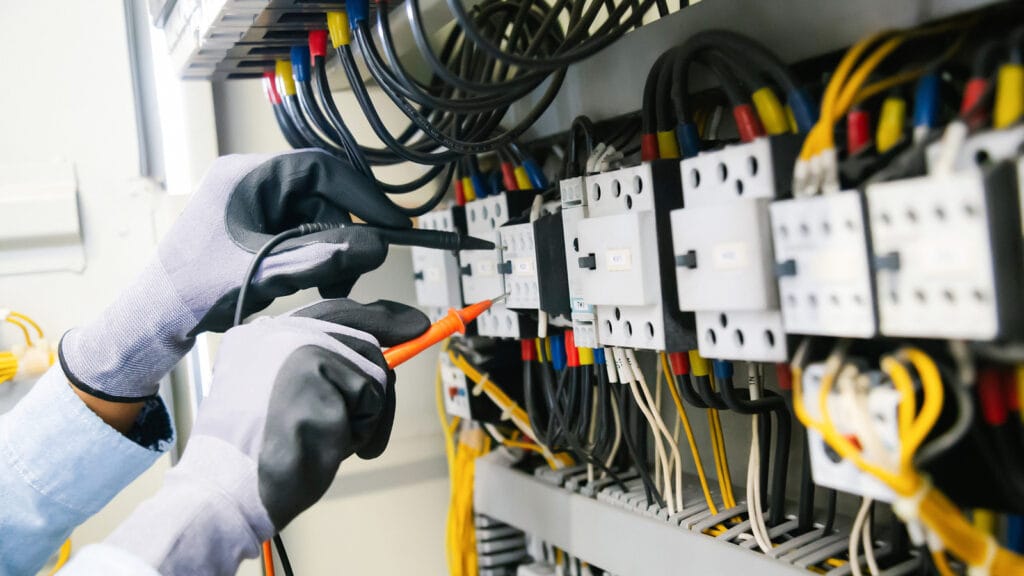
Preventative maintenance keeps existing systems running reliably rather than waiting for failure to prompt a response. Regular inspections catch developing issues, worn components, loose connections, thermal hotspots, before they escalate into the kind of failure that actually stops production.
Emergency repair services address unplanned failures quickly, since every hour of downtime in an industrial setting carries real financial cost. Industrial electricians in Ottawa offering genuine emergency response capability provide real value here, given how much is at stake when equipment goes down unexpectedly during active production.
Panel and switchgear upgrades become necessary as facilities grow or equipment needs change over time. Outdated electrical infrastructure struggles to safely handle increased demand, and upgrading proactively avoids the kind of overload situations that lead to equipment damage or safety incidents.
Motor and equipment wiring covers the specialized connections between electrical systems and the industrial machinery actually doing the work on a facility floor, requiring expertise specific to the equipment types involved rather than general electrical knowledge alone.
Why Preventative Maintenance Matters So Much Here
Industrial data suggests unplanned electrical failures cost considerably more than planned maintenance addressing the same underlying issues before they cause a shutdown. The math tends to favour prevention heavily once actual downtime costs get factored into the comparison honestly.
Thermal imaging inspections catch developing issues invisible to the naked eye, connections running hotter than they should, components under stress before visible damage occurs. This kind of proactive diagnostic work identifies problems while they’re still cheap, quick fixes rather than waiting for a failure that stops production entirely and requires emergency response at a premium rate.
Scheduled maintenance also extends equipment lifespan considerably. Electrical components under proper maintenance last longer than ones running without regular inspection and upkeep, which affects the entire capital expenditure cycle for facility equipment over years, not just the immediate maintenance cost itself.
Safety Considerations Unique to Industrial Settings
Arc flash hazards represent a genuine risk in industrial electrical environments, given the higher voltages and current levels involved compared to residential settings. Proper arc flash risk assessments and appropriate personal protective equipment requirements protect workers from a hazard that residential electricians rarely encounter in their daily work.
Lockout tagout procedures during maintenance or repair work prevent accidental energization while someone’s actively working on equipment, a safety protocol that’s considerably more critical in industrial settings where equipment often connects to larger, more complex electrical systems than a typical home ever would.
Compliance with workplace safety regulations adds another layer of consideration that industrial electrical contractors in Ottawa need to navigate carefully, since violations carry serious liability implications for facility owners beyond just the immediate safety risk itself.
Choosing the Right Industrial Electrical Provider
Experience with the specific industry matters more than people sometimes realize going in. A provider experienced in food processing facilities understands different regulatory and equipment considerations than one focused primarily on automotive manufacturing or warehouse logistics operations, and this specialized knowledge shows up in the quality and efficiency of the work.
Response time for emergency situations deserves direct discussion before signing any service agreement. Asking specifically about guaranteed response windows, and what happens if that window isn’t met, clarifies expectations upfront rather than discovering the actual response time during an actual emergency when it matters most.
Proper licensing and certification for industrial work specifically, not just general electrical licensing, confirms a provider’s actually qualified for the complexity involved. Industrial electrical services carry different certification requirements than residential work in a lot of jurisdictions, and confirming this upfront avoids working with someone underqualified for the scope involved.
References from similar facilities provide real insight into how a provider performs under actual industrial conditions, rather than relying purely on marketing materials or a polished sales pitch that doesn’t necessarily reflect field performance.
The Cost of Choosing the Wrong Provider
Industry data suggests facilities working with underqualified electrical contractors experience significantly higher rates of repeat issues and emergency callbacks compared to those working with properly specialized industrial electrical contractors from the start. That pattern alone justifies the extra diligence involved in vetting a provider properly before committing to a long term relationship.
Cutting corners on provider selection to save on upfront cost often backfires once downtime, repeat repairs, and potential safety incidents get factored into the real total cost of the decision over time.
Industrial electrical services cover a genuinely complex, high stakes area of facility operations that deserves careful provider selection rather than a decision based purely on the lowest available quote. Weighing experience, safety practices, response capability, and proper certification together tends to produce the kind of reliable, long term electrical partnership that keeps a facility running smoothly rather than constantly responding to preventable failures.
Frequently Asked Questions
How is industrial electrical service different from commercial electrical services?
Industrial electrical installations involve high voltage, three-phase power supply, and specialized components such as Motor Control Centers and Programmable Logic Controllers. On average, they tend to be much more extensive and complex than typical commercial electrical installations.
What is the frequency of preventative maintenance for industrial sites?
There is no one rule, as it depends on the type of facility and its components, but it is common practice among Ottawa's industrial electricians to perform quarterly or semi-annual inspections. Some facilities might require more frequent maintenance through thermal imaging and component inspection.
What should I look for when hiring industrial electricians in Ottawa?
Look for proper industrial certification, experience with similar facility types, clear emergency response commitments, and verifiable references from comparable operations. Proper licensing specific to industrial work, not just general electrical licensing, confirms genuine qualification for complex facility needs.
How much does unplanned electrical downtime typically cost industrial facilities?
Costs vary significantly by industry and facility size, but unplanned downtime often reaches tens of thousands of dollars per hour for larger operations. This is why preventative maintenance and choosing qualified industrial electrical contractors matters so much for facility budgeting overall.