Power goes out, the portable generator gets dragged out of the garage, and then comes the part nobody enjoys, running extension cords through a cracked window to keep the fridge and a few lights running. It works, technically, but it’s clunky, limited, and carries real safety risks if done carelessly. GenerLink installation exists specifically to solve this problem, and once someone understands how it actually works, going back to extension cord chaos during the next outage stops making much sense.
This post covers what GenerLink actually does, how it compares to a traditional transfer switch installation, and what to know before deciding it’s the right power outage solution for a specific home.
The Problem With Traditional Generator Setups
Running a portable generator without proper connection equipment means either running extension cords to individual appliances, which limits what can actually be powered at once, or attempting a more involved setup that risks backfeeding electricity into the grid, a genuinely dangerous situation for utility workers trying to restore power during an outage.
Backfeeding happens when a generator connected improperly sends electricity backward through the home’s wiring and out onto the utility lines. Utility crews working to restore power assume those lines are dead, and backfed electricity turns that assumption into a serious hazard. This isn’t a rare or exaggerated risk either, it’s a well documented danger that proper transfer switch installation exists specifically to prevent.
Truth be told, a lot of homeowners running generators without proper transfer equipment don’t fully realize this risk until someone explains it clearly, since the setup that seems to work fine for personal use can still be creating a dangerous situation on the utility side of things.
What GenerLink Actually Is
GenerLink installs directly at the electrical meter, functioning as a specialized transfer switch that allows a portable generator to power the entire home’s electrical panel rather than just whatever’s plugged into extension cords running through a window.
Unlike a traditional transfer switch requiring installation inside the home near the electrical panel, GenerLink mounts externally at the meter itself, which often makes installation faster and less invasive than alternative options. This external mounting is one of the more practical advantages that draws homeowners toward it specifically.
The device automatically disconnects the home from the utility grid when a generator gets connected, eliminating the backfeed risk entirely without requiring the homeowner to manually flip breakers or remember a complicated sequence of steps during a stressful outage situation.
How Transfer Switch Installation Works With GenerLink
Once installed, connecting a generator during an outage becomes a straightforward process. The generator plugs into a receptacle on the GenerLink unit, and the built in mechanism handles disconnecting the home from utility power automatically, preventing the backfeed issue that makes improper generator use so risky in the first place.
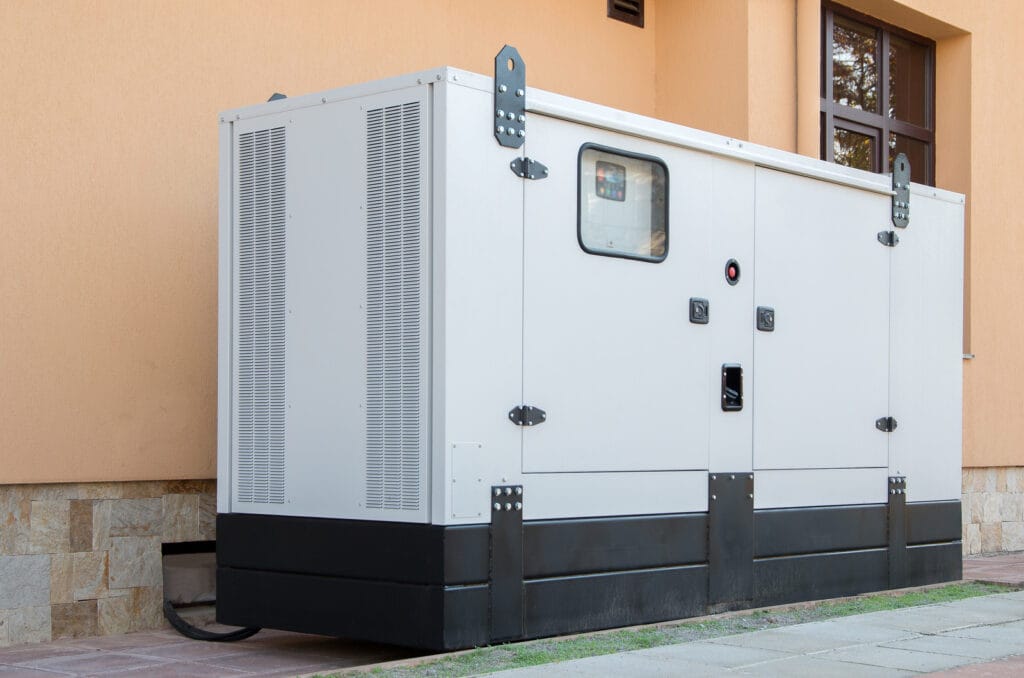
This setup allows homeowners to selectively power different circuits in the home, rather than being limited purely to whatever a handful of extension cords can reach directly. A generator sized appropriately for the home can run essential circuits, refrigerator, some lighting, a furnace blower motor, heating system components, without the limitation of extension cord based setups.
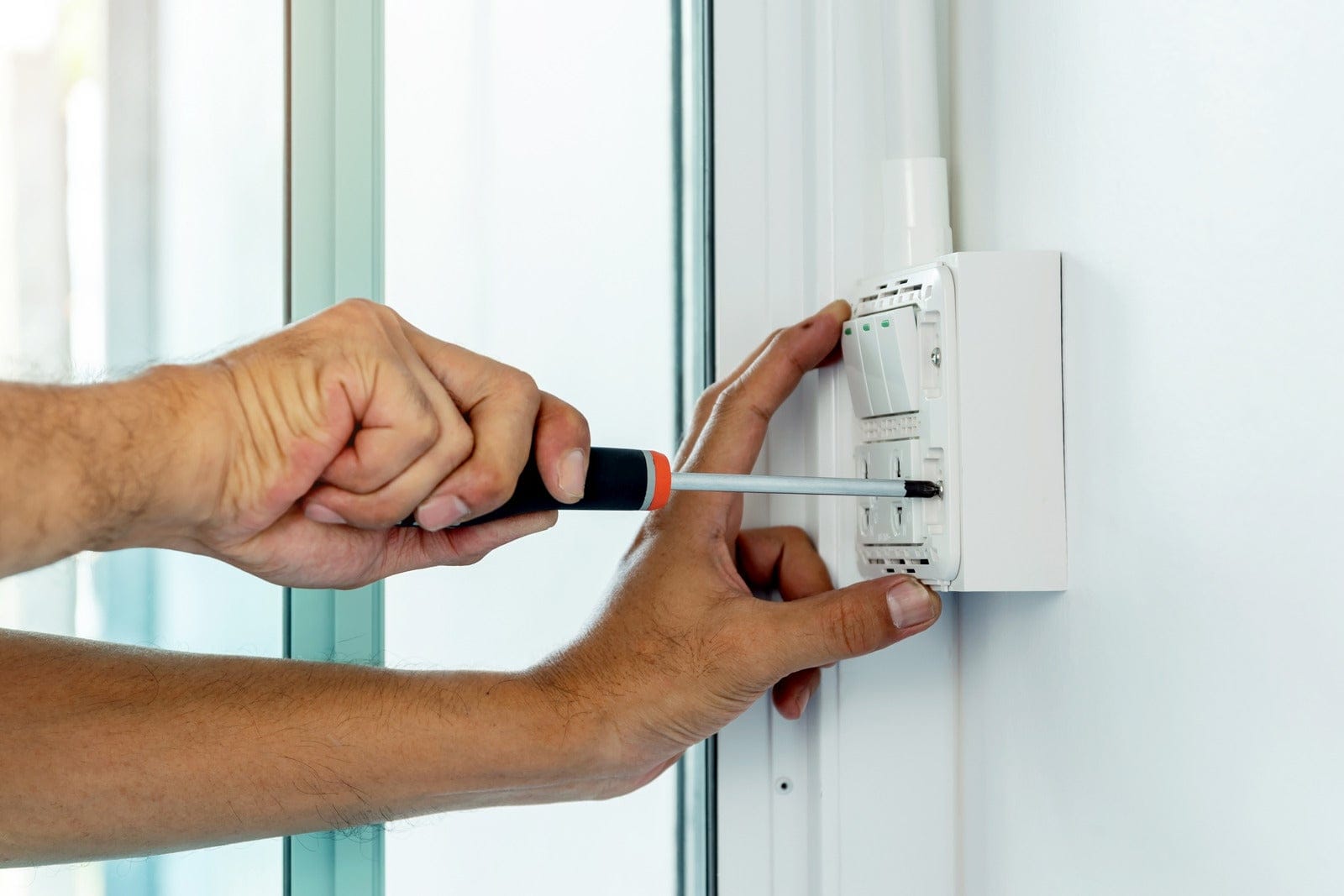
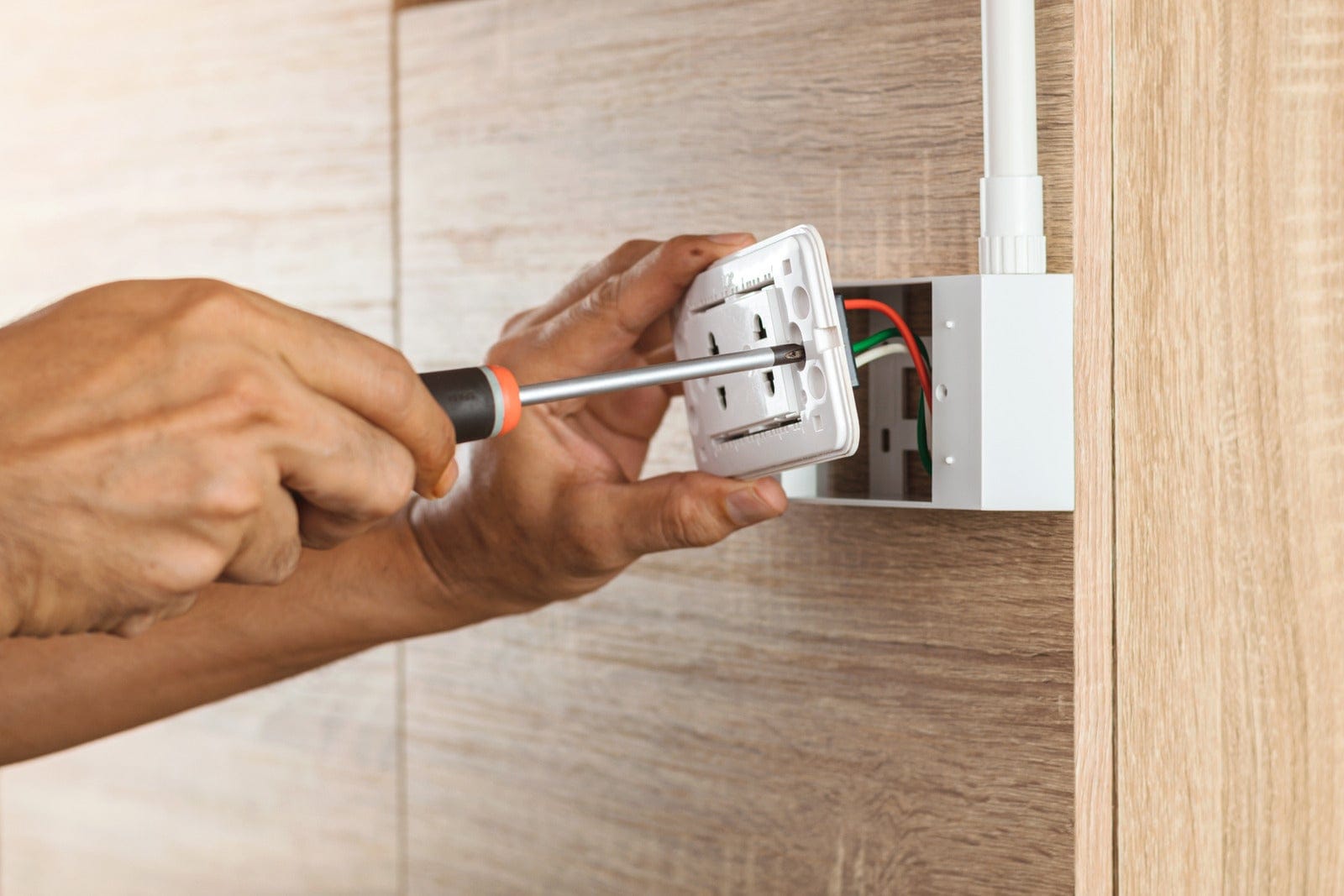
Installation typically requires a licensed electrician, given the work happens at the electrical meter and involves the utility connection point. Most installations complete within a few hours, considerably faster than some traditional transfer switch installations requiring more extensive interior electrical work.
Comparing GenerLink to Traditional Transfer Switches
A traditional transfer switch installs inside the home, typically near the main electrical panel, and requires the homeowner to manually select which circuits receive generator power during an outage. This offers precise control but adds a layer of complexity during the actual outage, exactly when stress levels are already higher than normal.
GenerLink simplifies this by allowing the entire panel to receive generator power, with the home’s own circuit breakers determining what actually draws electricity based on normal household use patterns. For most residential situations, this simpler approach covers the practical need without requiring circuit by circuit selection during an already stressful outage.
Cost tends to favour GenerLink for straightforward residential installations too, since the external mounting typically reduces labour time and interior electrical work compared to a traditional switch requiring more extensive panel modifications inside the home itself.
Safety Benefits Worth Understanding
Eliminating backfeed risk is the primary safety benefit, and it’s not a minor one. Utility linework carries serious danger under normal circumstances, and backfed electricity from an improperly connected generator adds an entirely preventable risk to already hazardous conditions that repair crews deal with during major outages.
Automatic disconnection removes human error from the equation too. A manually operated transfer switch depends on someone remembering the correct sequence during a stressful, often dark and disorienting outage situation. GenerLink’s automatic function removes that dependency entirely, which matters a lot when the person managing the outage might be tired, stressed, or simply forgetting steps under pressure.
Reduced fire risk factors in as well, since improperly connected generators and makeshift extension cord setups running through windows or doors create genuine fire hazards that proper installation avoids by design.
Choosing the Right Power Outage Solution
Not every home needs the same setup, and understanding household needs helps determine whether GenerLink installation or a different transfer switch option fits best. Homes needing precise circuit control, perhaps for a larger generator powering most of the home during extended outages, might still benefit from a traditional transfer switch despite the added complexity.
For most residential situations though, especially ones focused on powering essential systems during shorter or moderate length outages, GenerLink’s simplicity and faster installation timeline make it a genuinely practical power outage solution worth serious consideration.
Industry data suggests homes with proper transfer switch installation experience significantly fewer generator related incidents, both safety related and equipment damage related, compared to homes relying on improvised extension cord setups during outages. That gap alone makes a compelling case for proper installation regardless of which specific transfer switch option ultimately gets chosen.
GenerLink installation offers a genuinely practical, safer alternative to extension cord chaos during power outages, combining faster installation with automatic backfeed protection that removes a real safety risk from the generator equation entirely. For homeowners tired of the window crack and extension cord routine every time the power goes out, it’s worth a serious conversation with a licensed electrician about whether it fits the specific home and generator setup in question.
Frequently Asked Questions
How long does a GenerLink installation typically take?
Most installations complete within a few hours, since the device mounts externally at the electrical meter rather than requiring extensive interior work. This is often faster than traditional transfer switch installation, which may involve more work inside the home near the main panel.
Is GenerLink installation safer than running a generator with extension cords?
Significantly safer. GenerLink automatically disconnects the home from utility power when a generator connects, eliminating backfeed risk entirely. Extension cord setups don't provide this protection and can create dangerous backfeed situations for utility workers restoring power during outages.
Do I need a licensed electrician for transfer switch installation?
Yes, generally required. The installation involves working at the electrical meter and utility connection point, which requires proper licensing and often coordination with the local utility company. Attempting this without proper qualifications creates safety risks and likely violates electrical code requirements.
What is the best power outage solution for a typical residential home?
For most homes focused on powering essential systems during outages, GenerLink offers a practical, faster to install solution compared to traditional transfer switches. Homes needing precise circuit control for larger generators may still benefit from a traditional transfer switch setup instead.